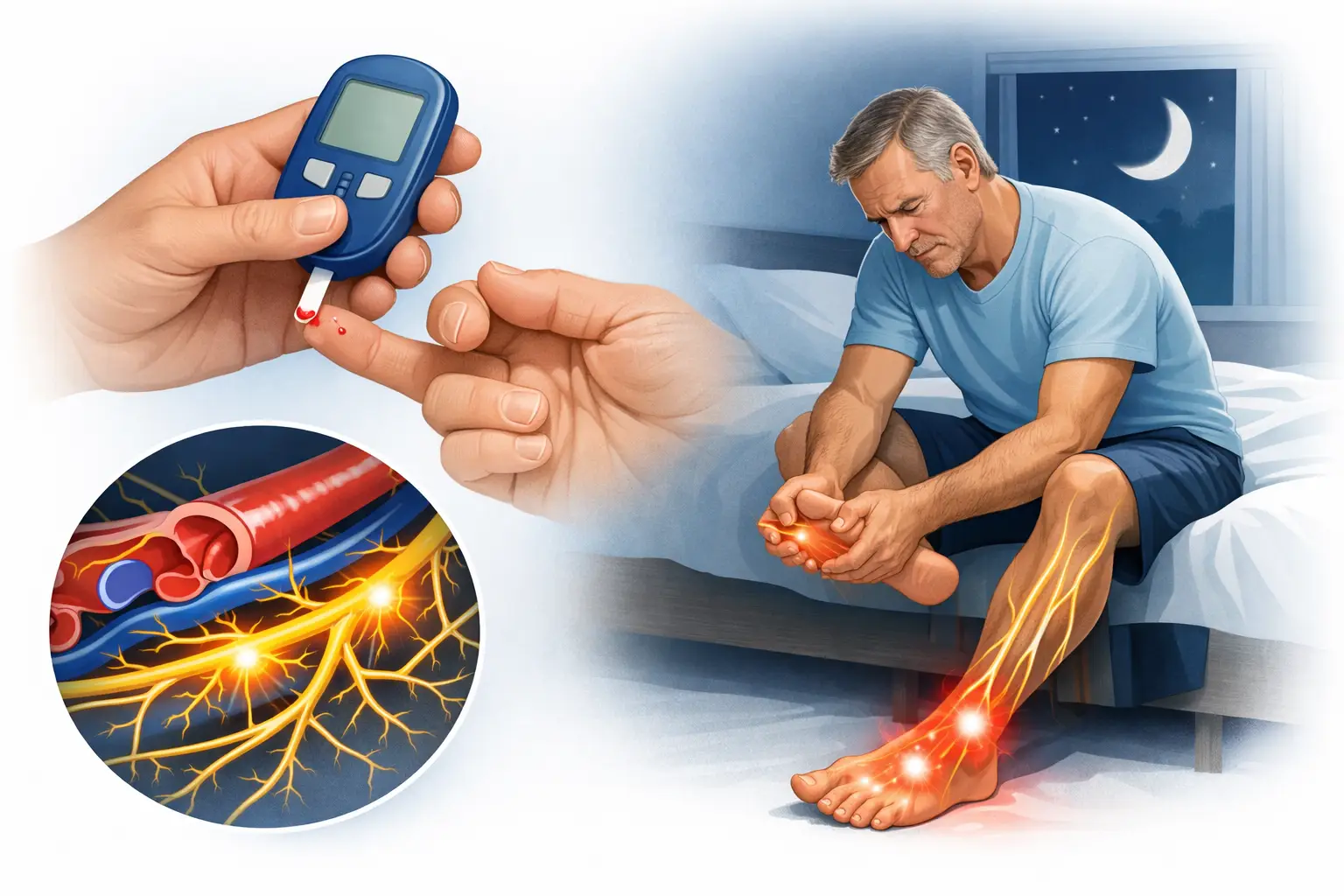
Burning feet at night, pins-and-needles in the toes, or numb patches that seem to come and go can be easy to dismiss. But if you are asking whether can prediabetes cause neuropathy symptoms, the short answer is yes – it can, in some people, even before diabetes is formally diagnosed.
That surprises many adults because nerve damage is usually associated with longstanding diabetes. In reality, early blood sugar dysregulation, insulin resistance, and metabolic changes linked with prediabetes may affect small nerve fibers well before blood sugar levels cross the threshold for diabetes. The pattern is not always dramatic, and that is part of the problem. Early symptoms can feel vague, intermittent, or easy to blame on aging, circulation, footwear, or vitamin deficiencies.
Can prediabetes cause neuropathy symptoms before diabetes?
Yes, prediabetes can be associated with neuropathy symptoms, especially symptoms involving small peripheral nerves. Research has shown that some people with impaired glucose regulation develop nerve-related complaints such as tingling, burning, prickling, altered sensitivity, or mild numbness. These symptoms often begin in the feet and may be more noticeable at night.
This does not mean every person with prediabetes will develop neuropathy, and it does not mean every case of tingling is caused by blood sugar. It means prediabetes belongs on the list of possible explanations, particularly in adults over 45 who also have risk factors such as excess abdominal weight, high triglycerides, low HDL cholesterol, hypertension, or a family history of type 2 diabetes.
One important nuance is that early neuropathy in prediabetes may not show up clearly on standard nerve conduction testing. Larger nerves may still appear relatively normal, while smaller sensory fibers are already under stress. That helps explain why some people are told their tests are normal even though their symptoms feel very real.
Why prediabetes may affect the nerves
Prediabetes is more than a slightly elevated blood sugar reading. It often reflects a broader metabolic state involving insulin resistance, inflammation, oxidative stress, and changes in how blood vessels support nerve tissue. Nerves are metabolically active structures. They rely on a steady supply of oxygen and nutrients, and they are vulnerable when that environment becomes less stable.
High-normal or mildly elevated glucose may contribute to chemical stress inside nerve cells. At the same time, insulin resistance can affect how nerves use energy. Small blood vessels that nourish nerves may function less efficiently, and chronic low-grade inflammation may add to the damage. Over time, those combined factors may lead to sensory changes.
For readers researching supplements, this is also why a single-nutrient explanation is not always enough. Nerve symptoms can have multiple contributors at once. A person may have prediabetes and a vitamin B12 deficiency, or prediabetes plus thyroid disease, alcohol-related nerve irritation, or medication-related nutrient depletion. Good evaluation matters because the right next step depends on the true cause.
What neuropathy symptoms can look like in prediabetes
The symptoms are often sensory first. Many people describe tingling in the toes, burning soles, brief electric-shock sensations, increased sensitivity to socks or sheets, or a feeling that the feet are hot even when they are not. Others notice reduced sensation, as if the feet are padded or slightly asleep.
Some people experience discomfort mainly at rest. That can be confusing because walking may actually distract from the sensation for a while. Symptoms also tend to begin symmetrically, meaning both feet are involved, though one side may feel worse at first.
Less commonly, people notice symptoms in the hands, but feet are usually the starting point. If symptoms rise up the legs, become severe, or include weakness, balance problems, or sudden progression, that warrants more prompt medical attention because other causes need to be considered.
Prediabetes is not the only explanation
A medically cautious approach is important here. Tingling, numbness, or burning feet should not automatically be blamed on prediabetes. Several other conditions can mimic or overlap with neuropathy.
Vitamin B12 deficiency is a key example, especially in adults over 45 and in anyone using metformin, acid-reducing medications, or a highly restricted diet. Low B12 can contribute to numbness, tingling, gait changes, fatigue, and cognitive symptoms. Thyroid disorders, alcohol use, kidney disease, spinal problems, autoimmune conditions, infections, and certain medications can also play a role.
Circulation problems may cause leg discomfort too, but vascular symptoms often behave differently. Poor circulation is more likely to cause cramping with walking, cool skin, color changes, or wounds that heal slowly. Neuropathy, by contrast, more often causes altered sensation such as burning, buzzing, or numbness. Some people have both.
How doctors evaluate possible neuropathy in prediabetes
If you have nerve-like symptoms and suspect blood sugar may be involved, the usual workup starts with history, symptom pattern, exam, and lab testing. A clinician may look at fasting glucose, A1c, or an oral glucose tolerance test. That last test can sometimes detect impaired glucose handling that a fasting test or A1c misses.
A neurological exam may check vibration sense, light touch, reflexes, temperature sensation, and balance. In some cases, nerve conduction studies are ordered, though these are better at detecting large-fiber nerve damage than early small-fiber changes. When symptoms strongly suggest small-fiber neuropathy, additional specialized testing may be considered.
Lab work often includes vitamin B12 and sometimes methylmalonic acid, along with thyroid testing, kidney function, and other markers based on the person’s history. This broader view is important because symptom relief depends on identifying what is actually driving the problem.
What to do if you think prediabetes is causing symptoms
The most useful next step is not guessing. It is getting your blood sugar status and nutritional status checked, especially if symptoms are new, progressive, or affecting sleep and daily comfort.
If prediabetes is confirmed, lifestyle measures aimed at glucose control and metabolic health are typically the first line. Weight reduction when appropriate, regular physical activity, improved sleep, and a diet built around fiber-rich carbohydrates, protein, and less ultra-processed food can help improve the underlying metabolic picture. These changes are not quick fixes, but they address the process that may be irritating the nerves in the first place.
Foot care also matters. Even mild numbness can reduce awareness of irritation from tight shoes, hot surfaces, or pressure points. Well-fitting footwear, daily foot checks, and avoiding barefoot walking outdoors are sensible habits.
For people exploring nerve-health supplements, caution is warranted. Evidence varies widely by ingredient, dose, and patient population. Vitamin B12 may be appropriate when deficiency or insufficiency is present, but more is not always better, and it is not a universal answer for every neuropathy symptom. Alpha-lipoic acid, benfotiamine, and other ingredients are often marketed for nerve support, yet marketing language frequently overstates what the evidence can support. A reputable review-based source such as VitB12Supplement.com would emphasize checking the cause first and treating supplement claims with a critical eye.
When burning feet or tingling should not wait
Certain symptoms deserve faster evaluation. Seek prompt medical care if numbness is rapidly worsening, if there is leg weakness, foot drop, severe balance trouble, new bladder or bowel issues, one-sided symptoms, or sores on the feet that are not healing. Sudden symptoms are less typical of routine metabolic neuropathy and may point to a different problem.
Persistent nighttime burning, recurring numbness, or tingling that lasts more than a few weeks also deserves attention, even if it seems mild. Early symptoms are easier to overlook, but they are often the stage when a broader metabolic problem is first becoming visible.
The practical takeaway
So, can prediabetes cause neuropathy symptoms? Yes, it can, and for some people nerve-related symptoms may appear before diabetes is diagnosed. The most common complaints are burning feet, tingling, prickling, and numbness that start gradually and often worsen at night.
Still, prediabetes should be viewed as one possible cause, not the only one. B12 deficiency, thyroid disease, medication effects, alcohol use, spine issues, and circulation problems can all overlap with neuropathy symptoms. That is why the smartest next move is not self-diagnosis or supplement shopping based on a single symptom. It is a careful evaluation that looks at blood sugar, nutrients, and the overall pattern. When the cause is clearer, decisions about lifestyle changes, symptom management, and possible nerve-support supplements become much more informed.
Frequently Asked Questions
Can prediabetes cause neuropathy symptoms?
Yes. Prediabetes can be associated with neuropathy-like symptoms in some people, especially burning, tingling, prickling, numbness, or altered sensitivity in the feet. However, these symptoms can also have other causes, so testing and medical evaluation are important.
Can neuropathy start before diabetes is diagnosed?
Yes. Some people may notice nerve-related symptoms before they meet the formal criteria for diabetes. Early blood sugar dysregulation, insulin resistance, inflammation, and metabolic changes may affect small nerve fibers before diabetes is diagnosed.
What do prediabetes neuropathy symptoms feel like?
Symptoms may include burning feet, tingling toes, pins and needles, prickling, numb patches, electric sensations, increased sensitivity to socks or sheets, or the feeling that the feet are hot even when they are not. Symptoms often start in the feet and may feel worse at night.
Does prediabetes always cause neuropathy?
No. Not everyone with prediabetes develops neuropathy symptoms. Prediabetes is one possible contributor, but tingling, burning, or numbness can also be related to vitamin B12 deficiency, thyroid problems, alcohol use, medications, spinal issues, kidney disease, autoimmune conditions, or circulation problems.
Can vitamin B12 deficiency be confused with prediabetic neuropathy?
Yes. Vitamin B12 deficiency can cause numbness, tingling, burning, balance changes, fatigue, and cognitive symptoms that may overlap with neuropathy symptoms linked to blood sugar problems. This is why B12 testing may be useful, especially for adults over 45 or people using metformin or acid-reducing medications.
Can small fiber neuropathy happen with prediabetes?
It can. Some people with impaired glucose regulation may develop symptoms that suggest small nerve fiber irritation, such as burning, prickling, or altered temperature sensation. Standard nerve conduction tests may not always detect early small-fiber changes.
Can lifestyle changes help nerve symptoms from prediabetes?
Lifestyle changes may help address the metabolic factors that can contribute to nerve irritation. Weight management when appropriate, regular physical activity, better sleep, blood sugar control, and a diet focused on fiber-rich carbohydrates, protein, and less ultra-processed food may support overall metabolic and nerve health.
When should I see a doctor for burning or tingling feet with prediabetes?
See a healthcare professional if burning, tingling, numbness, or foot sensitivity keeps returning, lasts more than a few weeks, worsens, spreads upward, interrupts sleep, or comes with weakness, balance problems, foot wounds, one-sided symptoms, severe pain, or trouble walking.
Medical Disclaimer:
This content is for educational purposes only and does not diagnose, treat, cure, or replace professional medical care. Vitamin B12 deficiency, neuropathy symptoms, nerve pain, numbness, tingling, burning feet, balance problems, fatigue, and related health concerns can have many possible causes, including diabetes, vitamin deficiencies, medication effects, alcohol exposure, autoimmune conditions, infections, circulation problems, gastrointestinal or absorption issues, spinal conditions, or nerve compression.
Information about supplements, nutrition, lifestyle, sleep, movement, testing, or symptom support should not be used as a substitute for evaluation by a qualified healthcare professional. Supplements may not be appropriate for everyone and may interact with medications or medical conditions.
New, worsening, spreading, severe, one-sided, or unexplained symptoms — including numbness, weakness, balance problems, falls, wounds, foot ulcers, skin color changes, severe pain, chest pain, shortness of breath, bowel or bladder changes, facial drooping, trouble speaking, confusion, or sudden neurologic symptoms — should be discussed with a qualified healthcare professional or emergency service promptly.

- Can Low B12 Cause Dizziness? - July 9, 2026
- B12 Deficiency and Cracked Corners of the Mouth - July 9, 2026
- Can Low B12 Cause Dry Mouth? - July 8, 2026