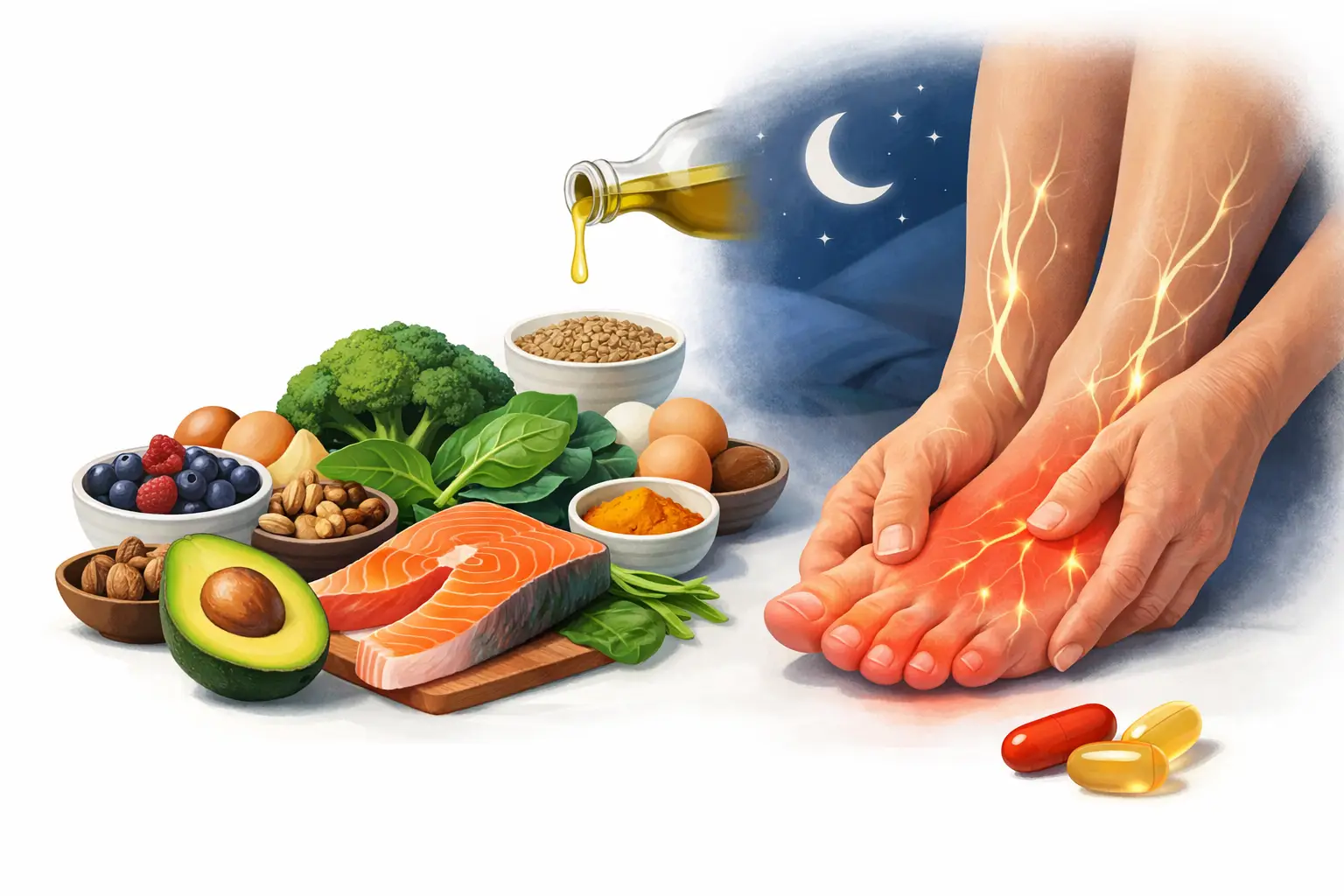
A neuropathy diet cannot cure neuropathy or reverse nerve damage, but it may support nerve health by helping stabilize blood sugar, improving nutrient intake, limiting alcohol, and emphasizing protein, fiber, healthy fats, and vitamin B12-rich foods. New, worsening, one-sided, severe, or unexplained symptoms should be evaluated by a healthcare professional.
Burning feet, tingling toes, and numbness in the hands often send people looking for one simple fix. A neuropathy diet is not a cure, but food choices can matter more than many people realize. In adults over 45, nerve symptoms often overlap with blood sugar issues, vitamin deficiencies, medication effects, alcohol use, and circulation problems. That means diet can either support the bigger picture or quietly make symptoms harder to manage.
The most useful way to think about diet and neuropathy is this: food affects the conditions that commonly irritate nerves. It can influence blood glucose swings, inflammation, body weight, vascular health, and intake of nutrients such as vitamin B12, folate, vitamin B6, vitamin D, alpha-lipoic acid from foods, and other compounds involved in nerve function. Diet alone will not explain every case of neuropathy, and it should not replace medical evaluation. Still, for many people, it is one of the few daily factors they can improve right away.
What a neuropathy diet is really trying to do
A practical neuropathy diet is less about a single miracle food and more about reducing the most common nutrition-related stressors on nerves. The first target is blood sugar control. Even before diabetes is formally diagnosed, repeated glucose spikes may contribute to nerve irritation in some people. Meals built around refined carbs, sugary drinks, and oversized portions can make that problem worse.
The second target is nutrient adequacy. Low vitamin B12 is a major example because it can contribute to numbness, tingling, balance issues, and fatigue. This matters even more in older adults and in people taking metformin or acid-reducing medications, both of which can affect B12 status over time. Other deficiencies can also play a role, but B12 tends to be one of the most clinically relevant and most commonly overlooked.
The third target is overall metabolic and vascular health. Nerves depend on oxygen, blood flow, and stable internal conditions. A diet high in highly processed foods, excess alcohol, and low-quality fats may work against those goals. A better eating pattern supports circulation, weight management, and cardiovascular health, all of which can influence how the body handles chronic symptoms.
Foods that fit a neuropathy diet
The strongest dietary pattern for nerve health is not exotic. It looks a lot like a Mediterranean-style eating pattern with steady blood sugar and adequate protein. That means vegetables, beans, fruit in reasonable portions, fish, eggs, plain yogurt, nuts, seeds, olive oil, and high-fiber carbohydrates rather than heavily processed starches.
Protein deserves special attention because many adults with poor appetite or restrictive diets do not get enough. Nerves do not run on protein alone, but balanced meals with protein can improve fullness and reduce rapid blood sugar swings after eating. Fish, poultry, eggs, Greek yogurt, tofu, cottage cheese, and legumes are all reasonable choices depending on your preferences and medical history.
High-fiber carbohydrates can also be helpful. Oats, beans, lentils, quinoa, brown rice, and sweet potatoes usually affect blood sugar more gently than white bread, pastries, chips, or sweetened cereal. That does not mean you can never eat refined carbs, but making them the center of the diet often works against symptom management.
Healthy fats matter too. Olive oil, avocado, nuts, seeds, and fatty fish provide fats associated with better cardiovascular and inflammatory balance than the trans fats and heavily fried foods common in convenience diets. Again, this is not a direct treatment for neuropathy. It is support for the systems that keep nerves functioning as well as possible.
Nutrients worth paying attention to
Vitamin B12 is the first nutrient many readers should discuss with a clinician, especially if symptoms include numbness, pins-and-needles sensations, weakness, memory changes, or balance issues. B12 is found naturally in animal foods such as fish, meat, dairy, and eggs. Strict vegetarians, vegans, and adults with absorption issues may need fortified foods or supplements, but testing is important because not every nerve symptom is caused by B12 deficiency.
Vitamin B6 is more complicated. Too little is not ideal, but too much from supplements can also cause nerve symptoms. That is one reason a food-first approach is often safer unless a healthcare professional recommends otherwise.
Folate, vitamin D, copper, and vitamin E may also matter in specific cases, but they are not universal answers. The key point is that persistent tingling or burning deserves proper assessment rather than guesswork with a long stack of supplements.
For readers already comparing nerve-support products, this is where evidence-informed caution matters. A supplement may be useful when it addresses a true gap, but taking high doses without knowing your status can lead to wasted money or, in some cases, new problems.
What to limit if you have nerve symptoms
A neuropathy diet is often shaped as much by what you reduce as by what you add. Sugar-sweetened beverages are one of the clearest examples. They deliver a large glucose load quickly and offer almost no nutritional value. For people with insulin resistance, prediabetes, or diabetes, they can work directly against symptom control.
Alcohol is another major consideration. Heavy alcohol use can injure nerves over time and can also worsen nutritional deficiencies, especially B vitamins. Even moderate intake may aggravate symptoms in some people. If you notice more burning, pain, or restless sleep after drinking, that pattern is worth taking seriously.
Highly processed foods are not harmful simply because they come in a package, but diets built mostly on chips, candy, refined baked goods, fast food, and processed meats tend to be low in fiber and micronutrients while high in sodium, saturated fat, or added sugar. That combination is not ideal for metabolic or vascular health.
How to build meals without overcomplicating it
Most people do not need a perfect meal plan. They need a repeatable pattern. A useful starting point is to build each meal around protein, fiber, and color. For breakfast, that might mean eggs with vegetables and a side of berries, or plain Greek yogurt with nuts and chia seeds. For lunch, a salad with chicken or beans is usually a stronger choice than crackers and snack foods. For dinner, fish or turkey with roasted vegetables and a moderate portion of brown rice or sweet potato works well for many adults.
Snacks should follow the same logic. Pairing carbohydrates with protein or fat usually helps more than eating sweets alone. An apple with peanut butter, cottage cheese with cucumber, or a handful of nuts with fruit is often more stable than cookies or pretzels by themselves.
Portion size still matters. Even healthier foods can raise blood sugar if portions are very large, particularly rice, pasta, dried fruit, and fruit juice. The goal is not fear of carbs. It is choosing better carbs and eating them in a way your body handles well.
When diet changes may help most
Diet tends to be most useful when neuropathy symptoms overlap with one of three situations: blood sugar problems, low nutrient intake or poor absorption, or lifestyle patterns that strain vascular health. If symptoms are tied to chemotherapy, autoimmune disease, spinal issues, or another medical cause, food may still support overall health but will usually play a more limited role.
This is why broad promises about diet curing neuropathy should raise concern. Real-world cases differ. Some people notice improvement in symptom intensity after stabilizing blood sugar and correcting a deficiency. Others mainly gain energy, weight control, or better sleep while the nerve symptoms remain only partly changed. Those are still worthwhile outcomes.
When to get checked before assuming it is diet-related
Numbness and tingling can come from causes that should not be self-managed with food alone. Seek medical evaluation if symptoms are new, rapidly worsening, one-sided, associated with weakness, linked to falls, or affecting bladder or bowel control. A clinician may consider blood sugar testing, B12 status, thyroid function, medication review, circulation assessment, or neurologic evaluation depending on the pattern.
This is particularly important for adults over 45 because several common issues can overlap. A person might have mild B12 deficiency, prediabetes, and a medication side effect at the same time. Treating the situation like a simple nutrition problem can delay the right next step.
A smart neuropathy diet is not restrictive for the sake of being restrictive. It is a steady, nutrient-aware way of eating that supports blood sugar control, helps reduce the risk of vitamin gaps, and gives nerves a better environment to function in. If your symptoms have you looking at foods and supplements, use that interest wisely: start with the basics, pay attention to patterns, and bring those observations to a qualified healthcare professional.
Frequently Asked Questions
What is the best diet for neuropathy?
The best diet for neuropathy is usually a balanced, blood-sugar-friendly eating pattern built around protein, high-fiber carbohydrates, vegetables, fruit in reasonable portions, healthy fats, and adequate nutrients such as vitamin B12. It should support overall metabolic and vascular health rather than promise to cure nerve damage.
What foods are good for neuropathy?
Helpful foods may include fish, eggs, plain Greek yogurt, beans, lentils, leafy greens, berries, oats, nuts, seeds, olive oil, and fortified foods when appropriate. These foods support protein intake, fiber, blood sugar stability, healthy fats, and micronutrient adequacy.
Can diet reverse neuropathy?
Diet alone usually does not reverse neuropathy. If symptoms are related to a treatable issue such as poor blood sugar control or a confirmed nutrient deficiency, dietary changes may be part of improvement. However, neuropathy can have many causes, so diagnosis and medical guidance are important.
What foods should I avoid with neuropathy?
It is usually wise to limit sugar-sweetened drinks, heavy alcohol intake, highly refined carbohydrates, frequent fried foods, and ultra-processed snacks. These foods may worsen blood sugar control, nutrient quality, inflammation, weight management, or vascular health in some people.
Is vitamin B12 important for neuropathy?
Vitamin B12 is important for nerve function, and deficiency can contribute to numbness, tingling, balance problems, fatigue, and other neurological symptoms. B12-rich foods, fortified foods, or supplements may be appropriate when deficiency risk is present, but testing and clinician guidance are preferred.
Can too much vitamin B6 cause neuropathy?
Yes, high-dose vitamin B6 from supplements can contribute to nerve symptoms in some cases. Food sources of B6 are generally not the concern; the risk is more often linked to unnecessary high-dose supplements taken without medical supervision.
Is a Mediterranean diet good for neuropathy?
A Mediterranean-style diet may be a reasonable pattern for many adults with neuropathy because it emphasizes vegetables, legumes, fish, olive oil, nuts, seeds, fruit, and minimally processed foods. It supports cardiovascular and metabolic health, which may be relevant when nerve symptoms overlap with diabetes or circulation concerns.
When should I see a doctor for neuropathy symptoms?
Seek medical evaluation if numbness, tingling, burning pain, weakness, balance problems, falls, or symptoms are new, worsening, spreading, one-sided, or affecting bladder or bowel control. Diet can support health, but these symptoms should not be self-managed with food alone.
Medical Disclaimer:
This content is for educational purposes only and does not diagnose, treat, cure, or replace professional medical care. Vitamin B12 deficiency, neuropathy symptoms, nerve pain, numbness, tingling, burning feet, balance problems, fatigue, and related health concerns can have many possible causes, including diabetes, vitamin deficiencies, medication effects, alcohol exposure, autoimmune conditions, infections, circulation problems, gastrointestinal or absorption issues, spinal conditions, or nerve compression.
Information about supplements, nutrition, lifestyle, sleep, movement, testing, or symptom support should not be used as a substitute for evaluation by a qualified healthcare professional. Supplements may not be appropriate for everyone and may interact with medications or medical conditions.
New, worsening, spreading, severe, one-sided, or unexplained symptoms — including numbness, weakness, balance problems, falls, wounds, foot ulcers, skin color changes, severe pain, chest pain, shortness of breath, bowel or bladder changes, facial drooping, trouble speaking, confusion, or sudden neurologic symptoms — should be discussed with a qualified healthcare professional or emergency service promptly.

- Can Low B12 Cause Dizziness? - July 9, 2026
- B12 Deficiency and Cracked Corners of the Mouth - July 9, 2026
- Can Low B12 Cause Dry Mouth? - July 8, 2026