Quick Answer
Yes, tracking neuropathy symptoms can help identify patterns related to tingling, burning, numbness, weakness, sleep disruption, diet, medications, or vitamin deficiencies like low B12. A simple symptom log may also help healthcare professionals better evaluate progression and possible triggers.
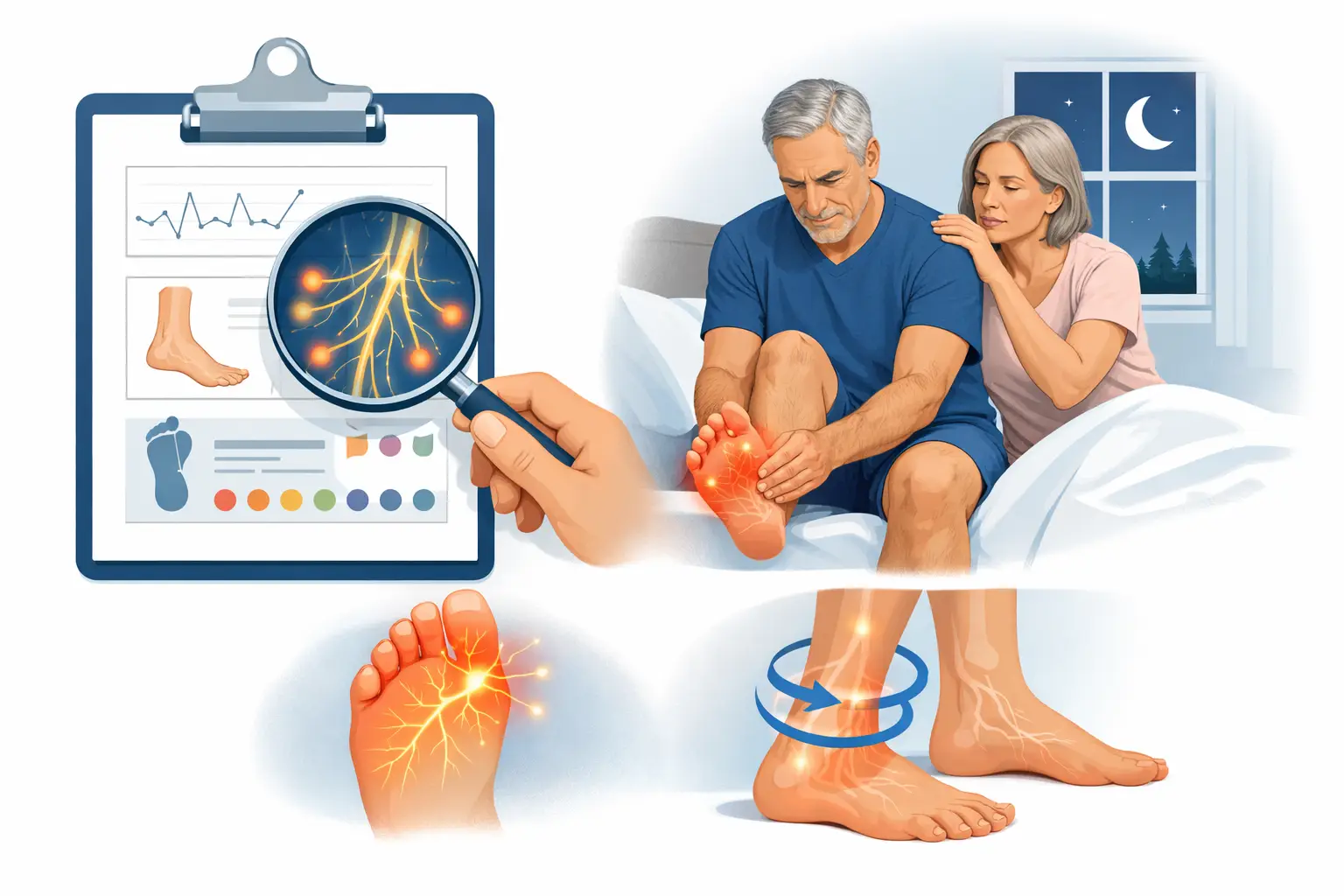
A burning feeling in your feet at night is easy to dismiss once or twice. When it keeps happening, details start to matter – when it started, how long it lasted, whether it followed a walk, a missed meal, a new supplement, or nothing obvious at all. If you are asking, should you track your neuropathy symptoms, the short answer is often yes. A simple symptom record can make vague nerve complaints easier to describe, easier to monitor, and sometimes easier for a clinician to evaluate.
That said, symptom tracking is a tool, not a diagnosis. It can help you notice patterns, but it cannot tell you what is causing tingling, numbness, burning, weakness, or altered sensation. Neuropathy-like symptoms can relate to many issues, including blood sugar problems, vitamin deficiencies such as low B12, medication effects, alcohol use, compression injuries, thyroid disorders, circulation concerns, and other neurologic or metabolic conditions. The value of tracking is not that it replaces medical care. The value is that it gives structure to what you are experiencing.
Key Takeaways
- Tracking symptoms may reveal patterns and triggers over time.
- Neuropathy symptoms can include tingling, burning, numbness, weakness, or altered sensation.
- Simple notes about timing, intensity, and activities are often enough.
- Vitamin B12 deficiency is one possible cause of nerve-related symptoms.
- Sudden weakness, facial drooping, or rapidly worsening symptoms require prompt medical attention.
- Symptom tracking supports medical evaluation but does not replace diagnosis.
When should you track your neuropathy symptoms?
Symptom tracking is most useful when sensations are recurring, changing, or difficult to explain during an appointment. Many adults remember the big picture – “my feet tingle sometimes” – but not the details a clinician may ask about. Was it both feet or one? Did it involve the toes first? Is it worse at night? Is there weakness, balance trouble, or cramping too? A log helps answer those questions more accurately.
It can also be helpful if you recently changed something that could plausibly affect nerve symptoms. That might include a new medication, a change in blood sugar management, a major shift in diet, alcohol intake, footwear, activity level, or a supplement routine. Tracking can help separate coincidence from a consistent pattern.
There are limits. If recording every sensation makes you more anxious or hyperfocused, a looser approach may be better. Some readers do fine with a quick daily note rather than hour-by-hour monitoring. The goal is useful information, not constant surveillance.
What symptom tracking can actually tell you
A good symptom log does not need to be complicated. What matters is consistency. Over a few weeks, even a basic record may show patterns such as symptoms being more intense at night, worsening after long periods of standing, appearing after skipped meals, or improving when pressure on the feet is reduced.
This kind of pattern recognition can be helpful because neuropathy symptoms are often subjective. There is no home test that can confirm the cause based on sensation alone. But timing, location, intensity, and triggers can make the clinical picture clearer.
For example, numbness that gradually spreads in both feet may raise different questions than sudden one-sided symptoms with weakness. Burning that appears mostly at bedtime may lead to a different discussion than tingling that follows certain activities. Tracking does not give the answer by itself, but it can sharpen the questions.
What to record without overdoing it
| What To Track | Why It Matters |
|---|---|
| Time symptoms appear | Helps identify daily patterns and triggers |
| Symptom location | Shows whether symptoms are spreading or localized |
| Intensity level | Helps monitor progression over time |
| Meals and supplements | May reveal nutritional or metabolic associations |
| Physical activity | Can show symptom worsening after pressure or exertion |
| Sleep disruption | Provides insight into quality-of-life impact |
If you decide to track symptoms, keep it simple enough that you will actually continue. Most people do not need a spreadsheet with dozens of columns. A notebook, phone note, or printed chart is usually enough.
Record when symptoms happen, where they occur, and what they feel like. Terms such as tingling, pins and needles, burning, numbness, electric shock sensations, stabbing pain, tightness, or reduced sensitivity can all be useful. Also note intensity on a 0 to 10 scale if that feels manageable.
Context matters too. Write down anything that may be relevant around the time symptoms appear. That might include meals, alcohol, physical activity, prolonged sitting, sleep disruption, new shoes, medication changes, or supplement use. If you are taking vitamin B12 or a nerve-support formula, note the product, dose, and start date rather than just writing “supplement.”
Function is another important piece. Are symptoms affecting walking, balance, sleep, driving, or your ability to feel temperature? That information often matters as much as the sensation itself.
Should you track your neuropathy symptoms if you suspect B12 deficiency?
Yes, especially if you are also planning to discuss lab testing or nutrition with a healthcare professional. Vitamin B12 deficiency is one possible contributor to numbness, tingling, balance changes, fatigue, or cognitive complaints, but symptoms alone are not enough to confirm it. A symptom log can still be useful because it helps establish onset, progression, and associated issues.
This is particularly relevant for adults over 45, people taking certain medications that may affect B12 absorption, and those with digestive conditions or dietary patterns that may lower intake. If you are reviewing supplements and wondering whether B12 might be worth discussing, symptom tracking can make that conversation more specific and more grounded.
Still, caution matters. Starting a supplement and then assuming any improvement proves the original cause can be misleading. Symptoms can fluctuate naturally. Some people improve because an irritant changed. Others do not improve because the cause was unrelated. That is why evidence-informed decision-making matters. At Authority Portal-style sites such as vitb12supplement.com, the strongest guidance usually starts with understanding ingredients and realistic expectations rather than assuming a supplement explains or fixes every symptom.
According to the NIH Office of Dietary Supplements, vitamin B12 plays an important role in neurological function, and deficiency may contribute to numbness, tingling, balance issues, and nerve-related symptoms in some individuals.
What symptom patterns deserve quicker medical attention
Tracking is helpful for ongoing patterns, but there are times when you should not wait around collecting more data. Sudden numbness, sudden weakness, facial drooping, loss of coordination, severe new pain, loss of bladder or bowel control, or rapidly worsening symptoms need prompt medical evaluation. The same goes for symptoms paired with chest pain, shortness of breath, confusion, or signs of infection.
Even less urgent symptoms deserve timely attention if they are persistent, progressive, or interfering with daily function. Neuropathy is not one condition with one cause. Delaying assessment can make it harder to identify what is contributing.
How long should you track symptoms?
For many people, two to four weeks is enough to spot a pattern without creating burnout. If symptoms are occasional, a month may be more informative than a few scattered days. If they are daily and disruptive, even one to two weeks of clear notes can be useful for an appointment.
Longer tracking may make sense if you are monitoring how symptoms respond after a physician-guided change in medication, diet, blood sugar control, or another intervention. But if months go by and symptoms continue without evaluation, the log should support a next step, not replace it.
Common mistakes people make with symptom logs
One common mistake is recording only the worst episodes. That can make symptoms look more extreme but less representative. Another is leaving out context, which makes patterns harder to interpret. Writing “feet burned” every night tells part of the story. Writing “feet burned after long walk, lasted 2 hours, better after elevating feet” tells more.
A third mistake is trying to force a conclusion too early. If symptoms happen after taking a supplement once, that may or may not be meaningful. Look for repeated patterns, not isolated events. And be careful not to over-attribute every unusual sensation to neuropathy. Circulation issues, joint problems, skin irritation, and back-related nerve compression can overlap in ways that feel similar.
A practical way to use your notes at a doctor visit
Bring a short version, not a stack of unfiltered pages. A one-page summary is often enough. Include when symptoms started, where they occur, whether they are getting worse or staying stable, what they feel like, any clear triggers, and how they affect sleep or function.
This helps the appointment move faster and gives the clinician something more reliable than memory alone. If you have started any new vitamins, nerve-support blends, or other products, include those too. For cautious health consumers, this is especially useful because supplements can vary widely in dose, ingredient quality, and intended use. Clear records support better questions and safer decisions.
Tracking works best when it is practical, not obsessive. If your feet are tingling, your hands feel numb, or your symptoms seem to be shifting, writing a few consistent notes can be a smart move. Not because the notebook has the answer, but because patterns often speak more clearly than memory does. And when you are trying to protect your nerve health and make informed choices, that clarity is worth having.
Frequently Asked Questions
Can tracking neuropathy symptoms help doctors?
Yes. A symptom log can help healthcare professionals identify progression patterns, possible triggers, and symptom distribution more accurately.
What symptoms should I track?
Track tingling, numbness, burning, pain intensity, weakness, balance issues, sleep disruption, and possible triggers such as meals, activity, or medications.
How long should I track neuropathy symptoms?
Many people benefit from tracking symptoms for two to four weeks to identify meaningful patterns.
Can vitamin B12 deficiency cause neuropathy symptoms?
Low vitamin B12 is one possible cause of tingling, numbness, balance issues, and nerve discomfort, although symptoms alone cannot confirm deficiency.
When should neuropathy symptoms be treated as urgent?
Sudden weakness, facial drooping, loss of coordination, rapidly worsening symptoms, or loss of bladder control require prompt medical evaluation.
Medical Disclaimer: The information provided in this article is for educational purposes only and is not intended as medical advice. Dietary supplements are not a replacement for professional medical diagnosis or treatment. Always consult with a qualified healthcare professional before starting any new supplement, especially if you have pre-existing medical conditions or are taking prescription medications. Individual results may vary.

- Can Low B12 Cause Dizziness? - July 9, 2026
- B12 Deficiency and Cracked Corners of the Mouth - July 9, 2026
- Can Low B12 Cause Dry Mouth? - July 8, 2026