Quick Answer
Neuropathy symptoms often feel worse in quiet environments because the brain has fewer distractions competing with abnormal nerve signals. Tingling, burning, buzzing, and electric-shock sensations may become more noticeable at night or during rest, even if the underlying nerve activity has not significantly changed.
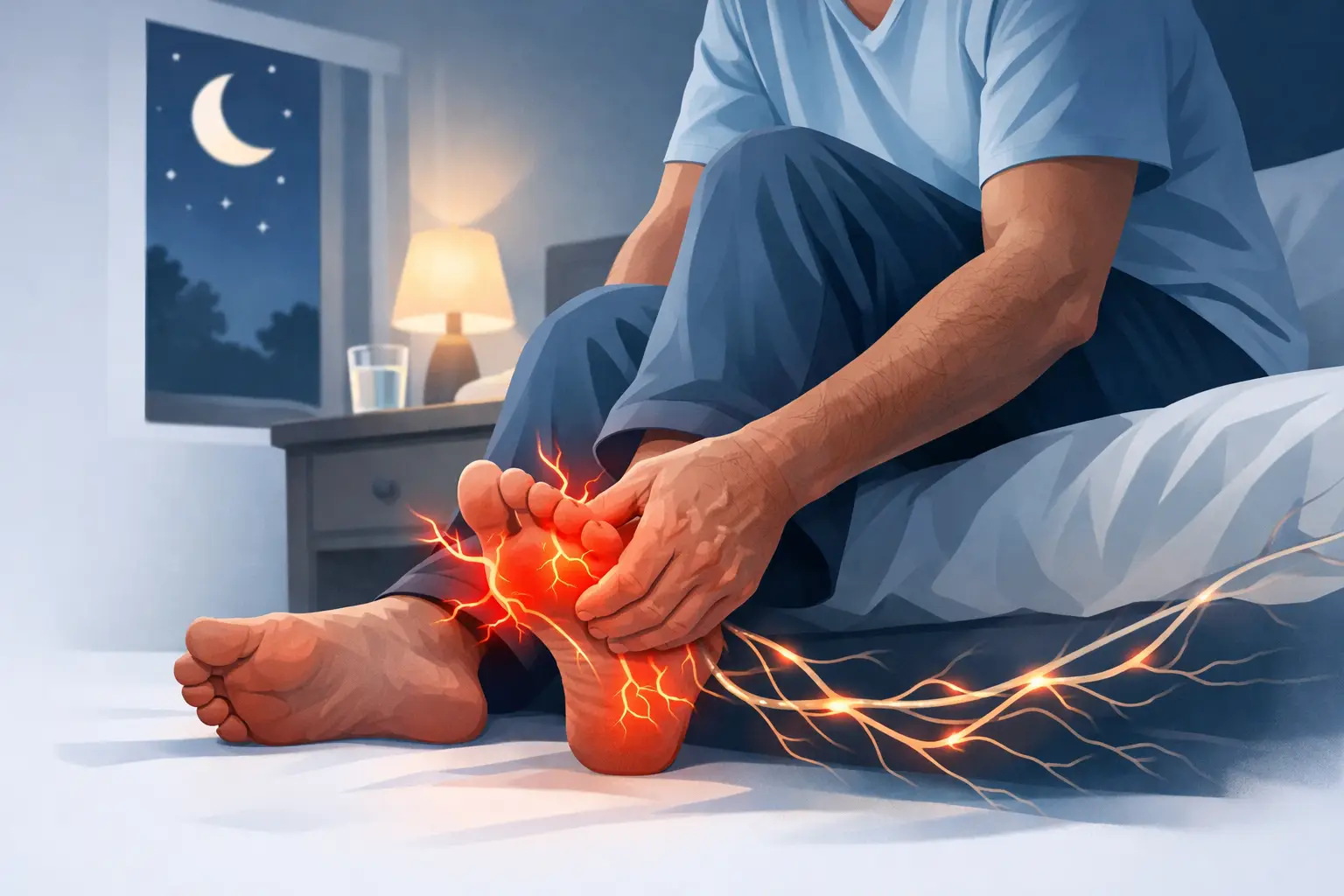
If you have ever noticed more tingling, burning, buzzing, or electric-shock sensations the moment the room gets quiet, you are not imagining it. Many people search for why neuropathy symptoms may feel worse in quiet environments because the pattern is real, unsettling, and often most obvious at bedtime when distractions fade and nerve sensations seem to move to the foreground.
That experience does not necessarily mean nerve damage is suddenly progressing at night or that something dangerous is happening every time the house gets still. In many cases, quiet changes how the brain processes sensory input. When there is less competing stimulation – less movement, conversation, traffic noise, television, or mental activity – abnormal nerve signals can become much more noticeable.
Key Takeaways
- Quiet environments can make neuropathy symptoms feel more intense.
- The brain notices abnormal nerve signals more when distractions are reduced.
- Symptoms often seem worse at night due to stillness, fatigue, and increased awareness.
- Burning, tingling, buzzing, and electric-shock sensations are common neuropathy complaints.
- Vitamin B12 deficiency is one possible contributor to nerve-related symptoms.
- Persistent, worsening, or one-sided symptoms should be medically evaluated.
Why neuropathy symptoms may feel worse in quiet environments
Neuropathy can produce sensations that are not tied to an outside trigger. Instead of responding normally to touch, temperature, or pressure, irritated or damaged nerves may send signals on their own or overreact to minor input. That can create burning feet, pins and needles, numbness mixed with pain, crawling sensations, or sudden jabs.
In a busy environment, your brain is constantly sorting through incoming information. Sound, light, movement, conversation, and task-focused attention all compete for processing. In quiet settings, especially when you are resting, there is less sensory competition. The abnormal nerve input has less background noise to compete with, so it can feel stronger even if the underlying nerve activity has not changed very much.
This is similar to how a faint ringing in the ears may seem louder in a silent bedroom than on a busy street. The signal may be present in both places, but your awareness of it changes.
There is also a second factor: stillness. When you stop walking, changing position, or engaging your muscles, you may notice body sensations more clearly. For some people with peripheral neuropathy, inactivity seems to magnify the perception of symptoms. The nerves are not being soothed by movement, and attention shifts inward.
The brain pays more attention when the room gets quiet
Pain and abnormal nerve sensation are not produced by nerves alone. The brain plays a central role in how those signals are filtered, prioritized, and interpreted. This does not mean the symptoms are psychological. It means perception matters.
When the environment becomes quiet, the brain has more capacity to register subtle or persistent sensory signals. If neuropathy is already causing low-level tingling all day, you may barely notice it while cooking, walking, working, or talking with others. Once you lie down in a dark, quiet room, those same sensations can feel amplified.
Stress can sharpen this effect. Many adults 45 and older notice that nighttime is when worry sets in. If you are already wondering whether burning feet mean circulation trouble, diabetes, vitamin deficiency, or worsening nerve damage, the symptoms can feel more intrusive. Anxiety does not create neuropathy, but it can increase vigilance, and vigilance can make every sensation seem louder.
Why symptoms often seem worse at night
| Possible Trigger | How It May Affect Symptoms |
|---|---|
| Quiet environments | Reduce distractions and increase awareness of nerve sensations |
| Stillness or inactivity | Can make tingling and burning feel more noticeable |
| Nighttime fatigue | May lower the brain’s ability to tune out discomfort |
| Blood sugar fluctuations | Can contribute to worsening neuropathy symptoms |
| Alcohol consumption | May aggravate nerve irritation in some individuals |
| Vitamin deficiencies | Low B12 and other deficiencies may affect nerve function |
Quiet and nighttime often overlap, but they are not exactly the same issue. Neuropathy symptoms may appear worse at night for several reasons.
Circadian rhythms may affect pain sensitivity. Body temperature shifts can influence comfort. Fatigue can lower your ability to tune out unpleasant sensations. Some people also have more swelling in the legs and feet later in the day, which can add pressure and discomfort.
Bed sheets, socks, or light touch can also become irritating if you have sensory nerve changes. This is called allodynia, where normally harmless contact feels painful or intensely uncomfortable. In the daytime, you may not notice mild contact as much because your attention is elsewhere. At night, the friction of fabric across sensitive feet can become hard to ignore.
For others, blood sugar patterns may contribute. People with diabetes or prediabetes sometimes notice worse symptoms at certain times of day, especially if glucose levels have been fluctuating. Alcohol use in the evening, dehydration, or prolonged sitting can add to the problem as well.
Quiet does not cause neuropathy, but it can expose it
Important
Quiet environments do not directly cause neuropathy or nerve damage. They often make existing symptoms more noticeable because there are fewer distractions competing for the brain’s attention.
One of the most important distinctions is this: quiet environments do not cause nerve damage. They reveal symptoms more clearly.
That matters because many people become alarmed when symptoms spike during rest and assume the condition is rapidly worsening. Sometimes progression is involved, but often the change is perceptual rather than structural. The nerves may be misfiring at a similar level throughout the day, while the quiet simply removes distractions that normally mask the sensation.
Still, that does not mean the symptoms should be dismissed. Persistent numbness, burning, balance problems, new weakness, or worsening pain deserve medical evaluation, especially if symptoms are spreading or interfering with sleep.
Other reasons the sensation may feel stronger in still, silent settings
Quiet is only part of the picture. Several overlapping issues can make neuropathy more noticeable during low-stimulation periods.
Reduced movement is one. Gentle activity improves circulation and changes sensory input from muscles and joints, which may temporarily shift attention away from nerve discomfort. When movement stops, that competing input drops.
Mental focus is another. The more you monitor a symptom, the more intense it may seem. This is common with tingling, buzzing, and burning because these sensations are hard to ignore once noticed.
The surface under your feet or legs can matter too. Recliners, mattresses, and certain sleeping positions may put pressure on sensitive nerves. If symptoms worsen in one position and ease when you move, positioning may be contributing.
Medication timing can also play a role. If a prescribed treatment wears off in the evening, symptoms may become more apparent at the same time the environment gets quiet. That can make quiet seem like the culprit when timing is part of the pattern.
Could vitamin deficiencies play a role?
For some readers, yes. Vitamin B12 deficiency is a well-known cause of neuropathy-like symptoms, including numbness, tingling, balance changes, and burning sensations in the feet or hands. Not every case of neuropathy is related to B12, and not every person with low-normal B12 has symptoms, but it is one of the more important reversible contributors clinicians consider.
Older adults may be at higher risk of low B12 due to reduced absorption, certain stomach conditions, long-term use of acid-lowering medication, or dietary factors. Other nutrient issues, including low folate, low vitamin B6 or excessive B6 intake, and low copper in select cases, may also affect nerve health.
This is where a cautious, evidence-based approach matters. Supplements may help correct a documented deficiency or support people with inadequate intake, but they are not a blanket fix for every burning or tingling symptom. The smarter move is to identify the cause rather than guessing.
According to the NIH Office of Dietary Supplements, vitamin B12 is essential for neurological function, and deficiency may contribute to numbness, tingling, balance problems, and other nerve-related symptoms.
What you can do if quiet makes symptoms more noticeable
If your symptoms reliably worsen when the environment gets still, practical adjustments may help reduce how intrusive they feel. A little background sound, such as a fan or soft audio, can make the room feel less stark and may reduce symptom awareness for some people. Gentle movement before bed, stretching, or a short walk may also help by changing sensory input and easing stiffness.
Temperature matters. Many people with burning feet find that overheating makes symptoms worse. A cooler room, breathable socks, or lighter bedding may help, though extremes of cold can bother some people too.
It is also worth reviewing your routine. Alcohol late in the day, prolonged sitting, tight footwear, poorly controlled blood sugar, and missed meals can all affect symptoms in some individuals. If you use supplements for nerve health support, choose products with transparent dosing and realistic claims. More is not always better, especially with nutrients like vitamin B6, where excess intake can itself contribute to nerve symptoms.
When to talk with a healthcare professional
Quiet-related symptom awareness is common, but certain patterns should not be brushed off. Seek medical advice if symptoms are new, rapidly worsening, one-sided, associated with weakness, causing falls, or interfering with sleep on a regular basis. The same applies if you have diabetes, heavy alcohol use, unexplained weight loss, back pain with leg symptoms, or possible nutritional deficiency.
A clinician may consider blood sugar issues, vitamin B12 status, thyroid function, medication effects, circulation concerns, spinal causes, or other nerve disorders. Testing may be appropriate depending on your history. For cautious consumers comparing nerve-health supplements, this evaluation matters because the right product depends on the reason symptoms are occurring in the first place.
If you have been wondering why neuropathy symptoms may feel worse in quiet environments, the short answer is that silence often removes the distractions that normally compete with abnormal nerve signals. The sensation is real, the pattern is common, and the next best step is not panic – it is paying attention to the pattern, looking for triggers, and using that information to have a more informed conversation about what your nerves may be trying to tell you.
Frequently Asked Questions
Why do neuropathy symptoms feel worse at night?
Symptoms may feel worse at night because quiet environments, fatigue, reduced movement, and increased awareness make abnormal nerve sensations easier to notice.
Can silence increase tingling sensations?
Silence does not increase nerve damage itself, but it may make tingling, burning, and buzzing sensations more noticeable.
Does neuropathy get worse when resting?
Some people notice stronger symptoms during rest because movement and distractions are reduced, making nerve sensations easier to perceive.
Can vitamin B12 deficiency cause burning feet?
Vitamin B12 deficiency can contribute to numbness, tingling, burning sensations, and balance issues in some individuals.
When should neuropathy symptoms be medically evaluated?
Seek medical evaluation for persistent, worsening, one-sided symptoms, weakness, falls, severe pain, or symptoms interfering with daily function or sleep.
Medical Disclaimer: The information provided in this article is for educational purposes only and is not intended as medical advice. Dietary supplements are not a replacement for professional medical diagnosis or treatment. Always consult with a qualified healthcare professional before starting any new supplement, especially if you have pre-existing medical conditions or are taking prescription medications. Individual results may vary.

- Can Low B12 Cause Dizziness? - July 9, 2026
- B12 Deficiency and Cracked Corners of the Mouth - July 9, 2026
- Can Low B12 Cause Dry Mouth? - July 8, 2026