Quick Answer:
Menopause does not directly cause peripheral neuropathy, but hormonal changes can sometimes make burning, tingling, numbness, and sensory discomfort more noticeable. Women over 50 who develop persistent nerve-related symptoms should also consider other common causes such as diabetes, vitamin B12 deficiency, thyroid disorders, nerve compression, medication effects, and age-related neurologic changes.
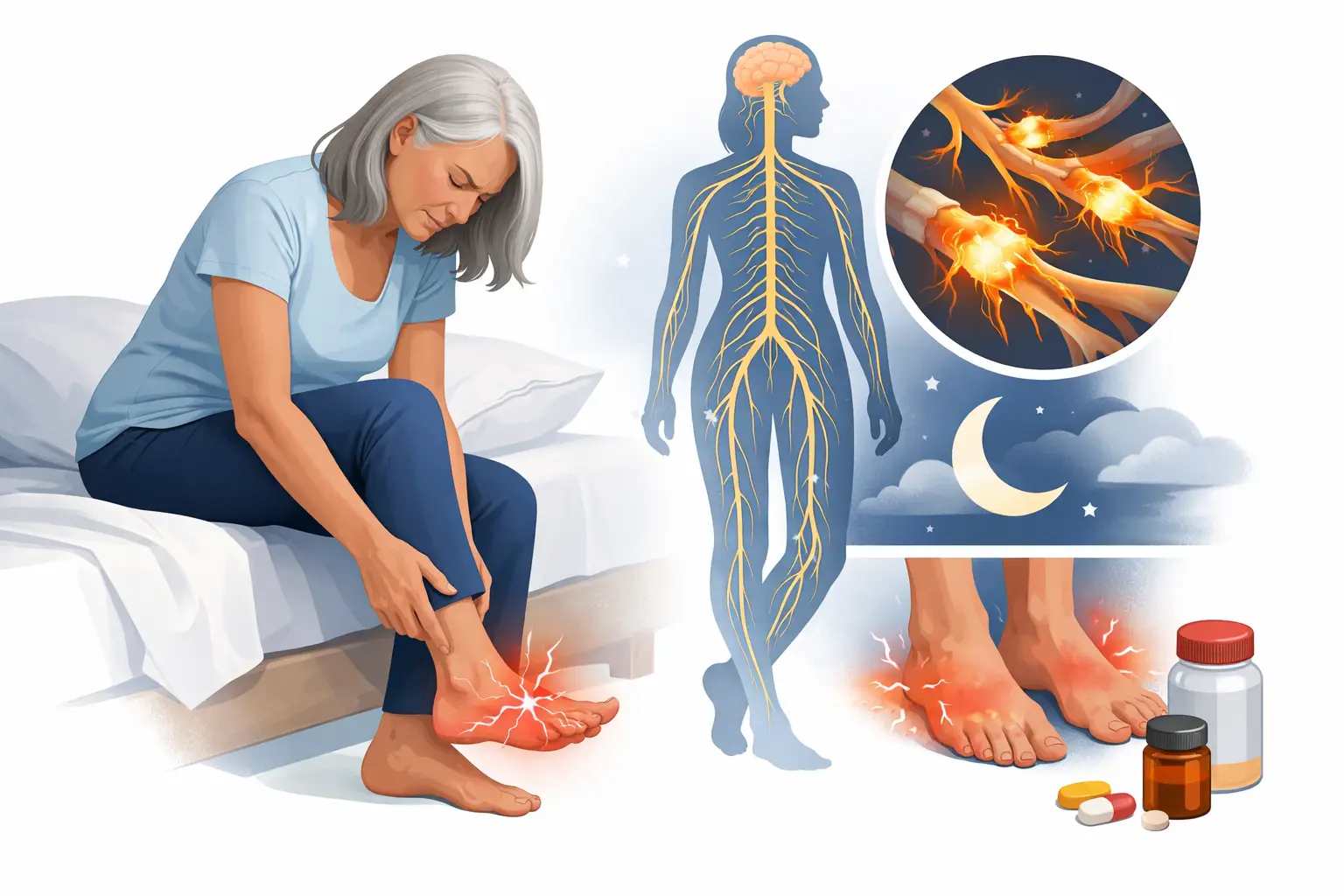
A woman in her 50s notices burning feet at night, pins-and-needles in her hands, or numb patches that were not there a year ago. It is easy to assume this is just part of aging, but menopause and neuropathy: what women over 50 should understand is that hormone changes can overlap with nerve symptoms without always being the direct cause.
That distinction matters. Menopause can bring hot flashes, sleep disruption, anxiety, joint discomfort, and strange skin sensations. Neuropathy usually points to irritation, compression, or damage affecting nerves. The symptoms can feel similar at first, which is why many women either dismiss them too quickly or blame menopause for everything.
Menopause and neuropathy: what women over 50 should understand first
Menopause itself does not automatically cause peripheral neuropathy. Still, the menopausal transition can make nerve-related symptoms more noticeable, more disruptive, or easier to confuse with other problems.
Estrogen influences blood vessels, inflammation, pain signaling, and sensory perception. As estrogen levels fluctuate and decline, some women report burning, tingling, crawling sensations, or increased sensitivity. These symptoms may be temporary and tied more to hormonal shifts than to lasting nerve injury. At the same time, midlife is also when other common causes of neuropathy become more relevant, including type 2 diabetes, prediabetes, vitamin deficiencies, thyroid disease, alcohol use, medication effects, and spinal changes.
In practical terms, menopause can be part of the picture without being the whole explanation. If symptoms are persistent, worsening, one-sided, or accompanied by weakness, it is worth looking beyond hormones.
Key Takeaways
- Menopause and neuropathy symptoms can overlap but are not the same condition.
- Burning feet, numbness, tingling, and balance problems deserve proper evaluation.
- Vitamin B12 deficiency is a common and often overlooked contributor to nerve symptoms.
- Diabetes, thyroid disorders, and nerve compression become more common after age 50.
- Hormone therapy is not considered a standard treatment for peripheral neuropathy.
- Persistent or worsening symptoms should not automatically be blamed on menopause.
Why the symptoms can be confusing
Menopause Symptoms vs Possible Neuropathy Symptoms
| Symptom | More Common in Menopause | More Suggestive of Neuropathy |
|---|---|---|
| Hot Flashes | ✓ | Rare |
| Burning Feet | Possible | ✓ |
| Numb Toes | Uncommon | ✓ |
| Sleep Disruption | ✓ | Possible |
| Balance Problems | Less Common | ✓ |
The overlap is real. Hot flashes can create sudden heat and prickling. Poor sleep can lower pain tolerance. Anxiety can heighten body awareness and make tingling feel more alarming. Joint and muscle changes around midlife can also lead to compression of nerves at the wrist, neck, or lower back.
Neuropathy, however, tends to follow certain patterns. It often starts in the feet and may gradually move upward. Some people describe burning soles, numb toes, electric shocks, or a feeling that socks are bunched up when they are not. Others notice reduced balance or trouble sensing temperature.
Hormonal symptoms are usually broader and less anatomically consistent. They may come and go with stress, sleep loss, or hot flashes rather than showing a steady nerve distribution. That said, it depends. A woman can have both menopausal symptoms and a separate neuropathy issue at the same time.
Common causes of neuropathy after 50
For women over 50, the smartest approach is not to ask only whether menopause is responsible. It is to ask what else should be ruled out.
Blood sugar problems are high on the list. Diabetes and prediabetes are major causes of nerve damage, especially in the feet. Sometimes neuropathy symptoms show up before a woman realizes her glucose levels are abnormal.
Vitamin B12 deficiency is another important consideration, especially for adults using metformin, acid-suppressing medications, or restrictive diets, or those with absorption issues. Low B12 can contribute to numbness, tingling, balance problems, fatigue, and cognitive complaints. Because this site focuses on evidence-based supplement education, it is worth stating clearly that B12 supplementation may help when a deficiency or insufficiency is present, but it is not a blanket fix for every case of tingling or burning feet.
According to the NIH Office of Dietary Supplements, vitamin B12 is essential for neurological function and low levels may contribute to numbness, tingling, balance problems, fatigue, and cognitive changes.
Thyroid dysfunction, particularly hypothyroidism, can also contribute to nerve symptoms. So can excess alcohol use, chronic kidney disease, autoimmune disorders, chemotherapy, and certain medications. Mechanical nerve compression matters too. Carpal tunnel syndrome becomes more common in midlife, and degenerative changes in the spine can irritate nerves in the neck or low back.
What symptoms deserve a closer look
Mild, brief tingling that appears during a hot flash and fades may not signal neuropathy. But recurring symptoms deserve attention when they begin interfering with sleep, walking, grip strength, or daily comfort.
Burning feet at night are a common concern. So are numb toes, reduced ability to feel the floor, sharp stabbing pains, and a sensation of buzzing or vibration in the legs. In the hands, women may notice clumsiness, dropping objects, or nighttime tingling that suggests nerve compression rather than a menopause-related sensory shift.
Weakness is especially important. True weakness, not just fatigue, raises the stakes because it may point to a more significant neurologic or structural issue. The same is true for rapid onset, symptoms on only one side, loss of bladder or bowel control, or severe back pain with leg numbness.
⚠ Important
Burning feet, persistent numbness, worsening tingling, loss of balance, muscle weakness, or symptoms affecting only one side of the body should not automatically be blamed on menopause. These patterns may suggest an underlying neurologic, metabolic, nutritional, or structural cause that deserves medical evaluation.
Menopause and neuropathy: what women over 50 should understand about testing
A careful evaluation is often more useful than guessing. Clinicians usually start with symptom history, a neurologic exam, and basic lab work tailored to likely causes.
Depending on the situation, testing may include blood sugar markers such as fasting glucose or A1C, vitamin B12 levels, thyroid labs, kidney function, and sometimes folate or vitamin B6 review. Medication and alcohol history also matter. If symptoms suggest compression or more complex nerve dysfunction, a clinician may consider nerve conduction studies, electromyography, or imaging of the spine.
One practical point for supplement shoppers: more is not always better. High-dose vitamin use without a clear reason can complicate the picture. Vitamin B6 is a good example. It is essential in appropriate amounts, but too much can itself contribute to neuropathy symptoms. Evidence-informed decisions are safer than self-prescribing large doses because a label sounds reassuring.
Can hormone therapy help?
This is where expectations need to stay realistic. Hormone therapy may improve some symptoms that are indirectly worsening body discomfort, such as hot flashes, sleep disruption, and mood changes. If tingling is tied to hormonal fluctuations or poor sleep, some women may feel better overall.
But hormone therapy is not a standard treatment for peripheral neuropathy itself. If a woman has neuropathy related to diabetes, B12 deficiency, nerve compression, or another medical cause, addressing that cause is more relevant than expecting estrogen to solve it.
This is a good example of why symptom overlap can mislead. Feeling better during menopause treatment does not prove the nerves were the original issue, and continuing nerve symptoms should not be ignored just because menopause care is underway.
Where supplements fit, and where they do not
Many women search for nerve health supplements once symptoms start. That is understandable, especially when burning, tingling, or numbness interfere with sleep. Still, supplement decisions should be grounded in evidence, not marketing.
Vitamin B12 stands out when deficiency risk is present or lab testing supports it. People with low B12 may benefit from repletion under medical guidance, and some need ongoing supplementation depending on the reason for deficiency. Alpha-lipoic acid and acetyl-L-carnitine are sometimes discussed in the neuropathy space, but results can be mixed, and they are not appropriate for everyone. The same goes for magnesium, benfotiamine, or multi-ingredient nerve formulas.
The trade-off is simple: some products may support overall nutritional status or symptom management in selected cases, but none should replace a proper evaluation of new numbness, pain, or weakness. A supplement can be reasonable as part of a broader plan, but it should not delay diagnosis.
When to seek medical care sooner
Women over 50 should move quickly if symptoms are progressing, affecting balance, causing falls, or paired with muscle weakness. Prompt care also matters for sudden numbness, one-sided symptoms, foot wounds you cannot feel properly, or signs of uncontrolled blood sugar.
Even when symptoms seem mild, persistence matters. Tingling that lasts for weeks is worth discussing, especially if there is a history of diabetes, gastric surgery, autoimmune disease, thyroid problems, or medications linked to nutrient depletion.
Sometimes the most useful outcome is reassurance. Other times, early testing catches a reversible issue before it becomes more disruptive.
A practical way to think about it
If you are over 50 and noticing sensory changes, think in layers. Menopause may explain part of what you are feeling, especially if symptoms come with hot flashes, sleep disruption, or generalized sensitivity. But neuropathy has its own causes, patterns, and red flags, and those deserve separate attention.
The most sensible next step is not panic and not dismissal. Track what you feel, notice whether it is symmetrical or worsening, review medications and supplements carefully, and bring the full picture to a clinician who can sort hormone changes from nerve problems. That kind of clarity is usually more valuable than trying one more product and hoping the symptoms quietly disappear.
Frequently Asked Questions
Can menopause cause neuropathy?
Menopause itself does not directly cause peripheral neuropathy, but hormonal changes may make certain sensory symptoms more noticeable.
Why do my feet burn during menopause?
Burning sensations may be related to hormonal changes, but they can also result from neuropathy, diabetes, vitamin deficiencies, thyroid disorders, or nerve compression.
Can vitamin B12 deficiency cause symptoms that mimic menopause?
Yes. Vitamin B12 deficiency may contribute to fatigue, brain fog, tingling, numbness, balance problems, and mood-related symptoms.
Should women over 50 be tested for vitamin B12 deficiency?
Testing may be appropriate when symptoms, medication use, dietary factors, or medical history increase the risk of deficiency.
When should I seek medical attention for tingling or numbness?
Medical evaluation is recommended when symptoms are persistent, worsening, affect balance, involve weakness, or interfere with daily activities.
Medical Disclaimer: The information provided in this article is for educational purposes only and is not intended as medical advice. Dietary supplements are not a replacement for professional medical diagnosis or treatment. Always consult with a qualified healthcare professional before starting any new supplement, especially if you have pre-existing medical conditions or are taking prescription medications. Individual results may vary.

- Can Low B12 Cause Dizziness? - July 9, 2026
- B12 Deficiency and Cracked Corners of the Mouth - July 9, 2026
- Can Low B12 Cause Dry Mouth? - July 8, 2026