Quick Answer:
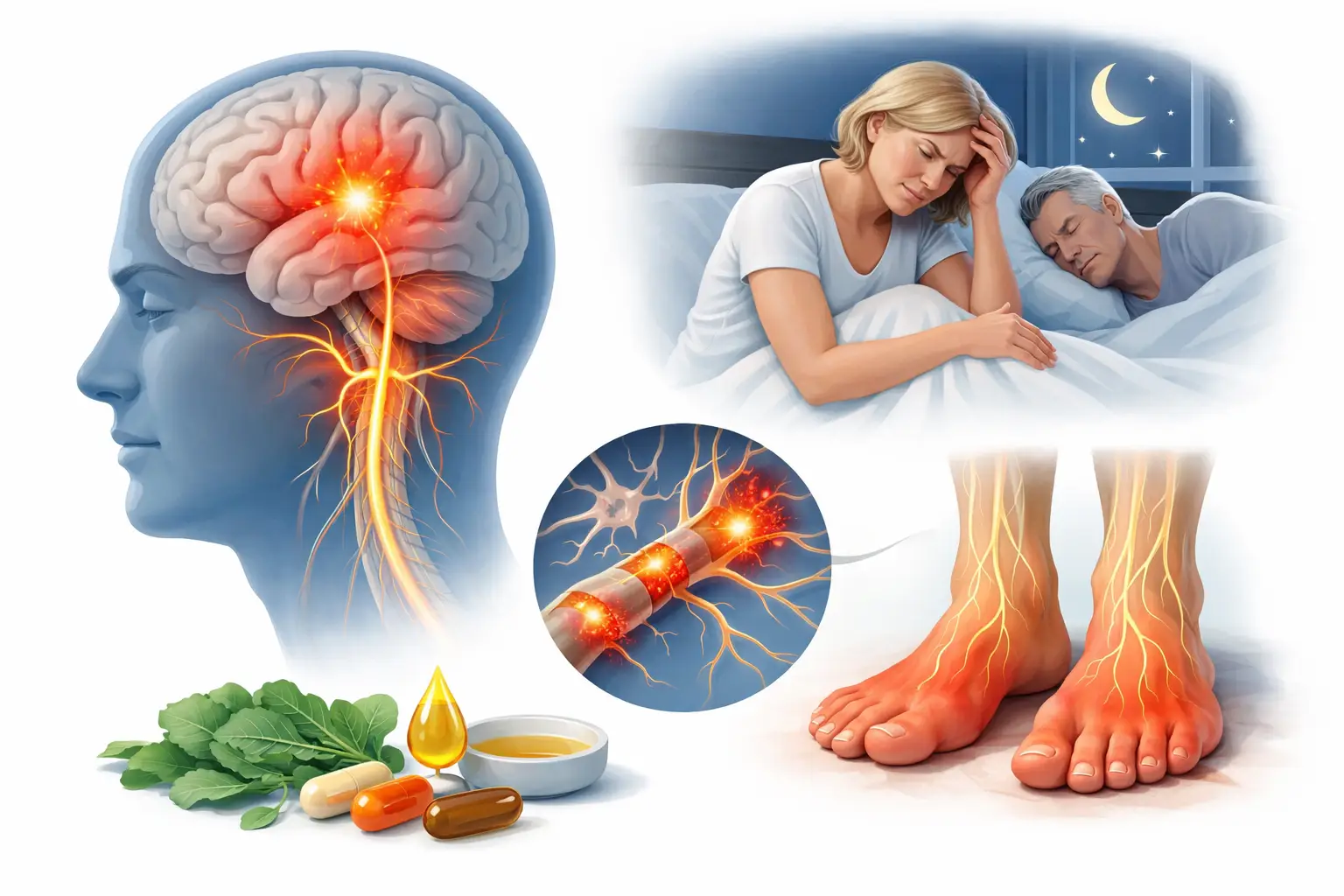
Neuroinflammation refers to inflammatory activity within the brain, spinal cord, or nervous system. While short-term inflammation can be protective, persistent inflammation may contribute to symptoms such as brain fog, poor concentration, low mood, fatigue, disrupted sleep, tingling, burning sensations, and other neurological complaints. Because these symptoms overlap with many other conditions, proper evaluation is often needed to identify the underlying cause.
Brain fog, poor sleep, low mood, and unusual nerve sensations often get blamed on aging alone. In some cases, neuroinflammation may be part of the picture. This term refers to inflammatory activity within the brain and nervous system, and while it is a normal protective response in some situations, persistent inflammation can become a problem.
For adults over 45, this topic matters because the symptoms can overlap with issues that are already common in midlife and older age – fatigue, memory lapses, tingling, slower thinking, and changes in balance or mood. The challenge is that neuroinflammation is not a simple diagnosis you can make from one symptom or one supplement ad. It is a biological process with many possible triggers, and the right next step depends on the bigger health context.
What neuroinflammation actually means
Neuroinflammation is the nervous system’s immune response. It involves immune signaling in the brain, spinal cord, and peripheral nerves. In the short term, that response can be helpful. After an injury or infection, inflammatory signals help the body react, clear damaged material, and begin repair.
The concern starts when that inflammatory activity becomes prolonged, excessive, or poorly regulated. Instead of supporting recovery, it may interfere with normal nerve signaling and brain function. Researchers study this process in relation to cognitive decline, depression, chronic pain, traumatic brain injury, metabolic disease, and several neurologic disorders. That does not mean every person with inflammation-related symptoms has a serious neurologic disease. It does mean the concept deserves careful attention.
A useful way to think about it is this: inflammation is not automatically bad, but chronic inflammation in sensitive tissues can change how you feel and function. The brain and nerves are especially vulnerable because they rely on stable energy production, healthy circulation, nutrient availability, and balanced immune activity.
Common symptoms linked to neuroinflammation
Neuroinflammation does not cause one neat, universal symptom pattern. That is part of what makes it confusing for consumers. Some people notice mostly cognitive changes, while others notice sensory symptoms or more general fatigue.
Possible symptoms that may occur alongside neuroinflammation include brain fog, poor concentration, forgetfulness, headaches, low motivation, depressed mood, disrupted sleep, and increased sensitivity to stress. Some people also report burning, tingling, numbness, or unusual skin sensations, especially if peripheral nerves are involved.
Still, symptoms like these are nonspecific. Vitamin B12 deficiency, medication side effects, thyroid issues, blood sugar problems, sleep apnea, anxiety, infections, alcohol use, and circulation problems can all create similar complaints. That is why a symptom checklist alone is not enough. It can raise suspicion, but it cannot explain the cause.
For readers researching nerve health, this distinction is important. A person with tingling feet may wonder whether inflammation is to blame, but the better question is what is driving the inflammation or nerve irritation in the first place.
What can trigger inflammation in the nervous system
There is no single cause of neuroinflammation. More often, it develops from several overlapping stressors.
Infections are a well-known trigger because the immune system becomes activated to respond to a virus, bacteria, or other pathogen. Injury can do the same, including concussions and other forms of trauma. Autoimmune activity is another possibility, where the immune system mistakenly targets the body’s own tissues.
Metabolic health also matters. Poor blood sugar control, obesity, insulin resistance, and cardiovascular risk factors are associated with higher inflammatory burden throughout the body, and that may affect the nervous system as well. Sleep deprivation, chronic psychological stress, smoking, heavy alcohol use, and a highly processed diet may add to that burden.
Nutrient status can be part of the story too. Deficiencies in vitamin B12, folate, vitamin D, magnesium, and omega-3 intake do not automatically cause neuroinflammation, but inadequate nutritional support can make nervous system function less resilient. In older adults, B12 deserves special attention because low levels may contribute to numbness, tingling, balance problems, memory changes, and fatigue. Those symptoms can easily be misread as “just inflammation” when a correctable deficiency is involved.
According to the NIH Office of Dietary Supplements, vitamin B12 is essential for neurological function and helps support healthy nerve signaling, cognitive performance, and normal nervous system activity.
Why neuroinflammation is hard to confirm at home
One reason this topic gets oversimplified online is that people want a single explanation for complex symptoms. In reality, neuroinflammation is often inferred from the broader clinical picture rather than proven by a simple home test.
Researchers can study inflammatory markers, brain imaging findings, spinal fluid changes, and patterns of neurologic symptoms. In everyday care, however, clinicians usually start by ruling out more common and more immediately actionable causes. That may include blood work, medication review, neurological exam, sleep assessment, and evaluation for vitamin deficiencies or metabolic issues.
This matters because self-diagnosing can lead people in the wrong direction. If you assume inflammation is the whole problem, you may miss anemia, low B12, diabetes, thyroid disease, or a medication reaction. If symptoms are new, worsening, one-sided, or affecting balance, speech, or strength, medical evaluation should come first.
⚠ Important
Symptoms commonly associated with neuroinflammation—such as brain fog, fatigue, tingling, poor concentration, and low mood—can also result from vitamin B12 deficiency, thyroid disorders, sleep apnea, diabetes, medication side effects, chronic stress, or other medical conditions. Symptoms alone cannot confirm neuroinflammation, which is why proper evaluation remains important.
How lifestyle factors may influence neuroinflammation
Although the science is still evolving, some practical patterns show up repeatedly. The nervous system tends to do better when overall inflammatory load is lower and basic physiologic needs are met consistently.
Sleep is one of the strongest examples. Inadequate or fragmented sleep may increase inflammatory signaling and worsen pain sensitivity, concentration, and mood. For adults who wake often, snore heavily, or feel unrefreshed despite enough time in bed, sleep quality deserves more attention than it often gets.
Physical activity also matters, but the dose is important. Regular movement tends to support metabolic health, circulation, and inflammatory balance. Extreme overtraining, especially in a fatigued or undernourished state, can have the opposite effect. For many adults over 45, the most sustainable approach is moderate, consistent activity rather than intense bursts followed by long inactivity.
Diet is another piece. No single food “turns off” neuroinflammation, but dietary patterns rich in fiber, seafood, nuts, legumes, olive oil, colorful produce, and adequate protein are often associated with better inflammatory balance than patterns built around ultra-processed foods, excess sugar, and heavy alcohol intake. The value is cumulative, not dramatic overnight.
Stress management has a place here too. Chronic stress does not mean symptoms are imaginary. It means the body may remain in a more activated state, which can influence sleep, pain sensitivity, immune signaling, and daily function.
Supplements and nerve-health support: where caution helps
People searching for answers often encounter supplements marketed for “brain inflammation” or “nerve repair.” Some ingredients have plausible mechanisms or early evidence, but that is not the same as proving broad clinical benefit.
Vitamin B12 is one of the more practical nutrients to evaluate because deficiency is common enough, especially in older adults and those taking acid-reducing drugs or metformin. If levels are low or borderline, correction may support normal nerve function. But more is not always better, and taking high doses without understanding the reason is not a substitute for proper evaluation.
Omega-3 fatty acids are also commonly discussed because they play roles in cell membranes and inflammatory signaling. Some adults with low fish intake may reasonably consider them, though results vary and quality differences between products matter. Curcumin, alpha-lipoic acid, magnesium, and vitamin D are also frequently marketed in this space. Each has limitations. Benefits may depend on the person, the dose, the form used, and whether there is an actual deficiency or relevant health issue to address.
This is where evidence-based shopping matters. A supplement should be judged by ingredient form, dose transparency, quality testing, interactions, and whether it matches the person’s likely need. It should not be judged by dramatic claims about curing nerve problems or reversing neurologic conditions. At vitb12supplement.com, that kind of cautious review standard is more useful than marketing language.
When to talk with a healthcare professional
Neuroinflammation is best treated as a clue, not a final answer. If symptoms are persistent, interfering with daily life, or spreading, a clinician can help sort out what deserves testing and what may be monitored.
That is especially true for numbness, burning feet, weakness, repeated falls, sudden memory changes, severe headaches, or symptoms that follow an infection or injury. Adults over 45 may also benefit from asking whether medications, blood sugar, thyroid function, B12 status, sleep disorders, or circulation issues could be contributing.
The most useful mindset is practical rather than alarmed. Many symptoms associated with inflammation are real and worth investigating, but they are not specific enough to self-treat blindly. A careful review of basics – sleep, nutrition, metabolic health, medications, and targeted labs – often gives clearer answers than chasing the newest “anti-inflammatory” product.
For most readers, the goal is not to eliminate every inflammatory signal. It is to reduce avoidable drivers, correct common deficiencies, and make choices that support healthy brain and nerve function over time. That slower, evidence-informed approach is usually less exciting than a quick fix, but it is far more likely to help.
Frequently Asked Questions
What is neuroinflammation?
Neuroinflammation refers to inflammatory activity within the brain, spinal cord, or nervous system. It can be a normal protective response, but persistent inflammation may affect nerve and brain function.
What symptoms are commonly associated with neuroinflammation?
Possible symptoms include brain fog, poor concentration, fatigue, low mood, headaches, disrupted sleep, tingling, numbness, and burning sensations.
Can vitamin B12 deficiency mimic neuroinflammation symptoms?
Yes. Vitamin B12 deficiency may contribute to fatigue, memory changes, tingling, numbness, balance problems, and other symptoms that can overlap with neuroinflammation.
Can neuroinflammation be diagnosed at home?
No. Neuroinflammation is typically evaluated through a broader clinical assessment rather than a simple home test.
When should neurological symptoms be medically evaluated?
Medical evaluation is recommended for persistent symptoms, worsening numbness, weakness, repeated falls, severe headaches, sudden memory changes, or symptoms affecting daily life.
Medical Disclaimer: The information provided in this article is for educational purposes only and is not intended as medical advice. Dietary supplements are not a replacement for professional medical diagnosis or treatment. Always consult with a qualified healthcare professional before starting any new supplement, especially if you have pre-existing medical conditions or are taking prescription medications. Individual results may vary.

- Can Low B12 Cause Dizziness? - July 9, 2026
- B12 Deficiency and Cracked Corners of the Mouth - July 9, 2026
- Can Low B12 Cause Dry Mouth? - July 8, 2026