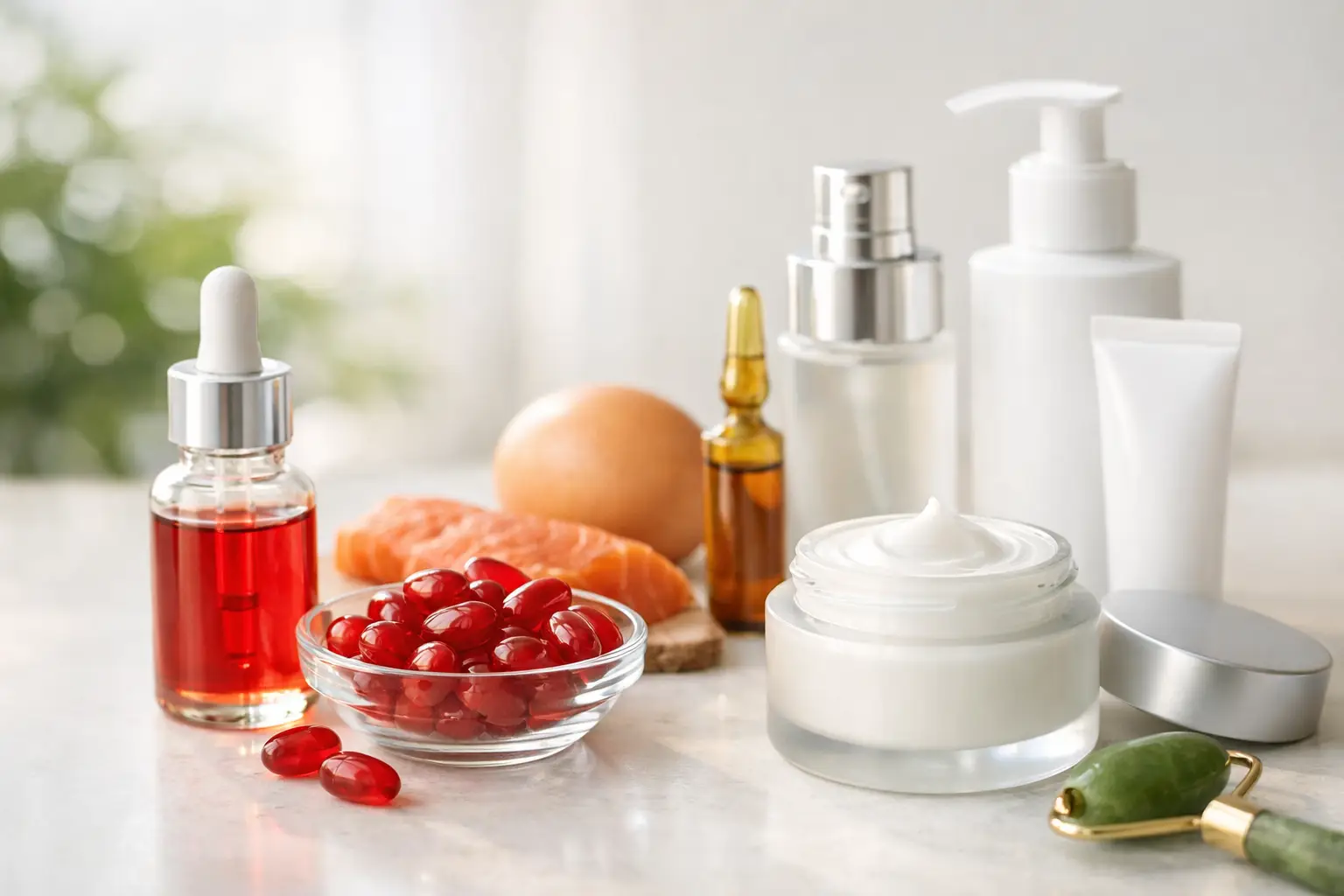
Skin problems push people into expensive routines fast. Dry patches, dull tone, breakouts, and irritation can send anyone looking for a shortcut. That is why searches around B12 + Best Skin Care keep showing up. People want to know whether vitamin B12 can improve skin from the inside, whether topical products matter, and how to avoid wasting money on weak formulas.
[Here we have an analysis of the best skincare products on the market.]
The short answer is this: B12 may support skin health in some people, but it is not a magic fix. It is most useful when low B12 status is part of the problem. If your skin issues are tied to irritation, barrier damage, dehydration, acne triggers, or aging, B12 can be one piece of the picture, but not the whole plan. The best results usually come from matching the cause to the right solution instead of assuming every vitamin trend deserves a place in your cabinet.
B12 + Best Skin Care: What B12 Really Does
Vitamin B12 helps with red blood cell formation, nerve function, and DNA synthesis. That matters for skin because your skin is constantly renewing itself. When the body lacks enough B12, cell turnover and oxygen delivery can suffer, and that may show up as paleness, dryness, inflammation, or a generally tired appearance.
That said, healthy skin is not proof that you need more B12, and poor skin is not proof that you are deficient. Skin issues have many causes. Low iron, low folate, poor sleep, high stress, harsh cleansers, overuse of actives, medication effects, and hormone shifts can all look similar on the surface.
This is where supplement shoppers get misled. A product can use the word skin on the label, add B12, and sound convincing. But if the formula ignores dose, absorption form, or the broader nutritional picture, it may not deliver much. Practical buyers should ask a better question: is B12 relevant to my specific skin concern?
When B12 May Help Your Skin
If you are actually low in B12, correcting that deficiency may improve how your skin looks and feels over time. This is more relevant for adults over 50, vegans and vegetarians, people with digestive absorption problems, long-term users of certain acid-reducing drugs, and people with restricted diets.
In those cases, signs may extend beyond skin. Fatigue, brain fog, weakness, tingling in hands or feet, pale skin, or shortness of breath can point to a wider issue. Skin improvement then becomes a side benefit of fixing a nutrient gap that affects the whole body.
Topical B12 is a different conversation. Some early interest has centered on its possible role in calming irritated skin, especially in formulas designed for sensitive or compromised skin. But this area is still narrower than the hype suggests. A B12 cream is not automatically one of the best skin care products on the shelf just because it includes the ingredient.
When B12 Is Probably Not the Main Answer
If your main issue is acne, the relationship gets more complicated. Some people assume every B vitamin is skin-friendly, but high-dose B12 is not always helpful for acne-prone users. In some cases, excess B12 intake may trigger or worsen breakouts. It does not happen to everyone, but it is a real trade-off worth knowing before you buy a high-dose product marketed for beauty support.
If your skin concern is dryness from a damaged barrier, your first-line fix is usually not a B12 supplement. It is a better cleanser, a moisturizer with barrier-supportive ingredients, and less irritation from over-exfoliation. If your concern is sun damage or wrinkles, sunscreen and proven actives matter far more. If the issue is redness from overactive products, simplifying your routine may help faster than adding another capsule.
This is the pattern smart consumers should remember: B12 can support skin health when there is a real need, but it should not replace basic skin care fundamentals.
[Here we have an analysis of the best skincare products on the market.]
Best Skin Care Basics Still Matter More
The best skin care plan is rarely glamorous. It is consistent. For most adults, a strong routine means gentle cleansing, regular moisturizing, daily sunscreen, and targeted treatment based on the actual problem. That may include niacinamide for barrier support, ceramides for dryness, salicylic acid for clogged pores, or retinoids for texture and aging.
If you add B12 to that picture, think of it as internal support, not a substitute for topicals that already have better evidence for visible changes. A supplement may help the body correct an internal deficit. A good cream or serum helps the skin directly where the problem shows up.
This matters because people often spend heavily on supplements while still using stripping cleansers, skipping moisturizer, and ignoring sun exposure. No vitamin makes up for that.
“If you are also struggling with nerve discomfort, check our full [NerveCalm review] for more tips.”
How to Evaluate a B12 Product for Skin Support
If you are considering B12 because you suspect low levels or want broader wellness support that could benefit skin, focus on the formula quality first. The best products are clear about the type of B12 used, the dosage, and who the product is best for.
Methylcobalamin and cyanocobalamin are the forms most shoppers will see. Methylcobalamin is often marketed as a premium option, while cyanocobalamin is widely used and stable. For many people, either can work. The better question is whether the dose makes sense and whether the brand is transparent.
You should also avoid products that hide behind oversized promises. Claims like flawless skin, instant glow, or anti-aging breakthrough are red flags. Reliable supplement brands talk about support, not miracles. They explain what the ingredient does, where it fits, and who should be cautious.
A good evaluation checklist includes four basics:
- Clear B12 form and dosage on the label
- Third-party testing or strong manufacturing standards
- Realistic claims instead of beauty hype
- A formula that matches your goal, not just trend-driven marketing
[Buy at a Discount]
Should You Choose Oral B12 or Topical B12?
For most people, oral B12 makes more sense if the goal is correcting low intake or poor status. That is especially true if your diet is limited in animal foods or if your doctor has already flagged a deficiency risk. An oral product addresses the systemic issue.
Topical B12 is more niche. It may appeal to people with sensitive or reactive skin who want to try a formula designed to calm irritation. But even here, the entire formula matters more than the B12 headline. If the cream also contains fragrance, alcohol, or other irritants, the benefit may disappear quickly.
In practical terms, oral B12 is the better choice for deficiency support. Topical B12 is more of an optional add-on than a core skin care essential.
Who Should Be Careful With B12 Supplements
This is where honest reviews matter. Not everyone needs a B12 supplement, and more is not always better. If you are acne-prone, start carefully and monitor changes. If you already take a multivitamin, energy blend, or B-complex, check the total dose before stacking products.
If you have persistent fatigue, numbness, unusual paleness, or major skin changes, testing may be smarter than guessing. Supplementing blind can help in some cases, but it can also delay finding the real cause.
People with severe or unexplained skin problems should not rely on a supplement review alone. Skin can reflect internal issues that need proper medical evaluation.
The Smartest Way to Think About B12 + Best Skin Care
The best approach is simple. Use B12 when there is a reason to believe it fits your health picture. Do not use it as a replacement for proven skin care basics. And do not reward vague marketing just because it sounds scientific.
For readers comparing products, the strongest buying decision is usually the least emotional one. Ask whether the product solves a likely problem you actually have. Ask whether the label is transparent. Ask whether the expected result is reasonable.
B12 can support healthier-looking skin when deficiency or low intake is part of the story. But the best skin care still comes down to the full picture: nutrition, barrier support, sun protection, and formulas that match your skin type. If a supplement earns a place in that plan, it should do so because the evidence and your needs line up, not because the label made a big promise.
[Here we have an analysis of the best skincare products on the market.]
-
Faq
-
1– Can vitamin B12 improve skin health?
-
Yes, vitamin B12 plays a crucial role in cell reproduction and renewal. If you have a deficiency, supplementing can help improve skin tone and reduce inflammation.
-
2: Does high-dose B12 cause acne?
-
In some cases, yes. Very high doses may trigger breakouts in acne-prone individuals. Monitoring your intake is essential for skin balance.
-
3 – What is the best B12 form for skin?
-
Methylcobalamin is often preferred for its natural form and absorption, which is vital for maintaining a healthy skin barrier.
Medical Disclaimer: The information provided in this Review is for educational purposes only and is not intended as medical advice. Dietary supplements are not a replacement for professional medical diagnosis or treatment. Always consult with a qualified healthcare professional before starting any new supplement, especially if you have pre-existing medical conditions or are taking prescription medications. Individual results may vary.

- Can Low B12 Cause Dizziness? - July 9, 2026
- B12 Deficiency and Cracked Corners of the Mouth - July 9, 2026
- Can Low B12 Cause Dry Mouth? - July 8, 2026