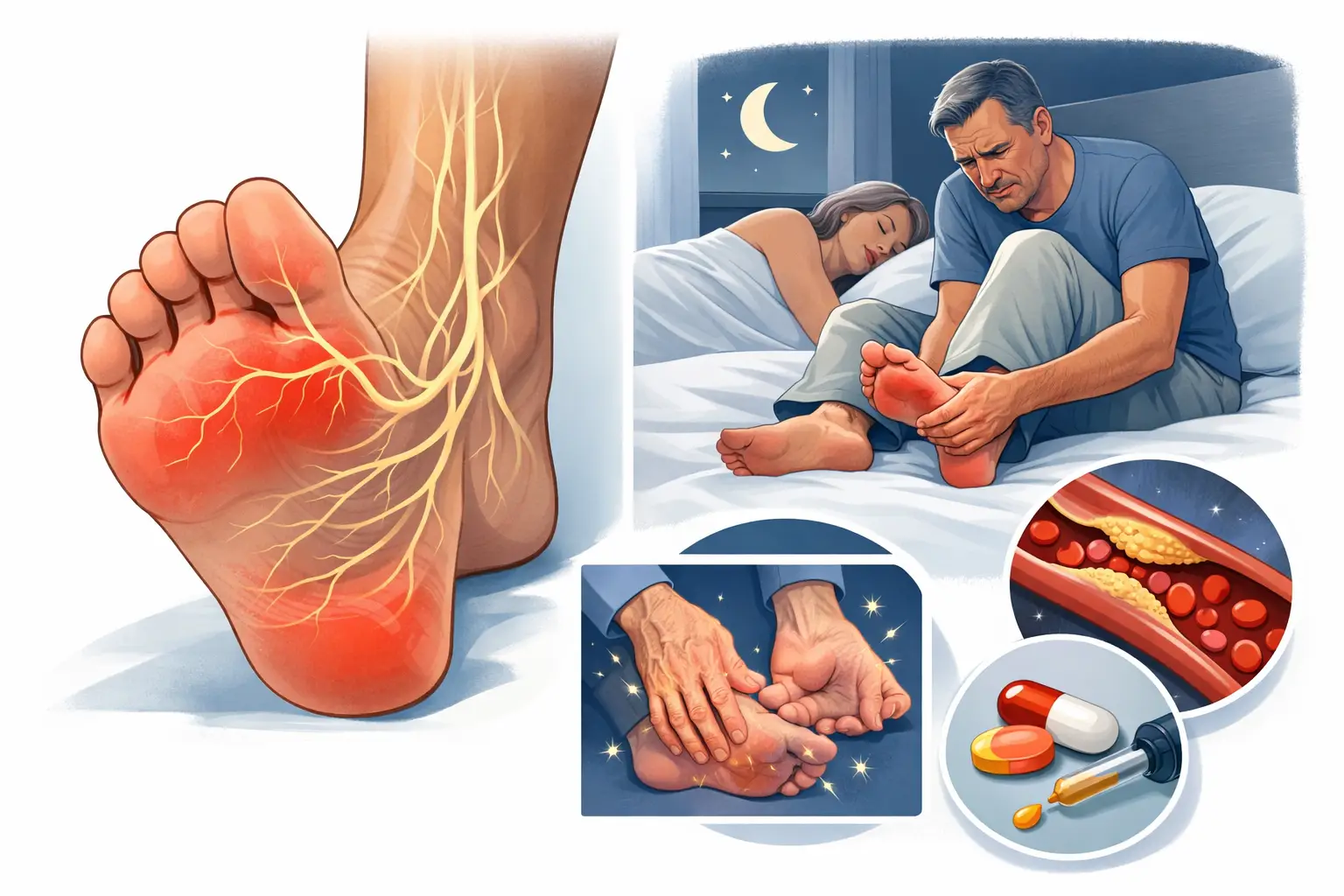
Signs neuropathy is getting worse may include symptoms spreading higher into the legs or hands, worsening burning or numbness, reduced balance, weakness, more falls, loss of sensation, skin injuries, autonomic symptoms, or declining ability to perform everyday activities safely.
Neuropathy often changes gradually, which is exactly why worsening symptoms can be easy to dismiss at first. If you are looking for signs neuropathy is getting worse, the most useful approach is to watch for changes in pattern, intensity, function, and safety – not just whether tingling comes and goes.
Peripheral neuropathy is not one single condition. It is a broad term for nerve damage that can affect sensation, movement, balance, and even automatic body functions such as digestion or blood pressure control. Causes vary widely, from diabetes and vitamin B12 deficiency to alcohol use, medication side effects, spinal problems, autoimmune disease, and circulation-related issues. Because the cause matters, the same symptom can carry different weight in different people.
What usually signals progression is not one dramatic event. It is the shift from mild nuisance symptoms to symptoms that interfere with walking, sleeping, hand use, skin protection, or daily independence.
Key Takeaways
- Neuropathy progression is often gradual, with symptoms spreading upward or becoming more constant over time.
- Loss of sensation, balance problems, and weakness may signal more serious nerve involvement.
- Burning pain, electric-shock sensations, or increased sensitivity can reflect worsening nerve dysfunction.
- Vitamin B12 deficiency, diabetes, alcohol use, medications, and circulation problems are important possible contributors.
- Rapid weakness, falls, bladder changes, or sudden progression deserve prompt medical evaluation.
Signs neuropathy is getting worse
One of the clearest warning signs is spread. Many people first notice tingling, numbness, or burning in the toes. If those sensations move upward into the feet, ankles, or calves, or begin appearing in the fingertips and hands, that may suggest a larger area of nerve involvement. Neuropathy often follows a length-dependent pattern, meaning the longest nerves are affected first. When symptoms climb higher or become more widespread, that change deserves attention.
A second sign is stronger pain, especially burning, stabbing, electric-shock sensations, or deep aching that becomes more frequent or more intense. Some people start with occasional discomfort at night and then find the pain interrupts sleep most evenings. Others notice that socks, bedsheets, or light touch suddenly feel irritating. That increased sensitivity can reflect worsening nerve dysfunction, even if numbness is also present.
Loss of feeling is another major concern. Counterintuitively, worse neuropathy does not always mean more pain. In some cases, symptoms shift from tingling to reduced sensation. If your feet feel thick, wooden, or less able to detect temperature, pressure, or injury, the risk goes up. Small cuts, blisters, and pressure spots may be missed, especially in people with diabetes or poor circulation.
Weakness is more serious than sensory symptoms alone. If you begin tripping more often, struggle to lift the front of your foot, have trouble climbing stairs, or notice reduced grip strength, the nerves that control muscles may be affected. A foot that slaps the ground, difficulty opening jars, or dropping objects more often should not be brushed aside as normal aging.
Balance problems also matter. Many adults with neuropathy say they feel less steady in the dark, in the shower, or on uneven ground. That happens because the brain relies on nerve feedback from the feet to know where the body is in space. As sensation drops, stability can worsen. If you are reaching for walls, avoiding stairs, or limiting walks because you do not trust your footing, function is declining.
Skin and foot changes are another clue. Repeated calluses, unnoticed wounds, red pressure areas, changes in sweating, or skin that looks unusually dry and cracked can all accompany worsening nerve problems. An ulcer, especially on the bottom of the foot, needs prompt medical evaluation. People sometimes focus on the nerve symptoms and miss the skin damage that follows from reduced sensation.
Symptoms that become constant instead of occasional can also signal progression. Early neuropathy may flare after sitting, at bedtime, or after certain activities. If numbness or burning is now present most of the day, or if symptom-free periods are disappearing, that change is meaningful. Frequency matters just as much as severity.
Autonomic symptoms deserve special attention. Some neuropathies affect the nerves that regulate involuntary functions. Warning signs can include dizziness when standing, unusual sweating changes, constipation, diarrhea, bladder problems, sexual dysfunction, or feeling full very quickly after eating. These symptoms have many possible causes, but when they appear alongside known neuropathy, they should not be ignored.
Finally, the most practical sign is loss of independence. If neuropathy is changing how you drive, cook, exercise, button clothing, sleep, or move around the house, it is no longer a minor symptom issue. Functional decline is often what prompts a change in treatment, medication review, physical therapy, or deeper investigation into the cause.
When worsening symptoms may point to an urgent problem
Common Signs That Neuropathy May Be Progressing
Worsening neuropathy is often identified through changes in symptom spread, function, balance, and day-to-day safety.
| Possible Change | What It May Suggest | Common Examples |
|---|---|---|
| Symptoms spreading upward | Larger area of nerve involvement | Tingling moving from toes into calves |
| More intense burning or stabbing pain | Worsening sensory dysfunction | Pain interrupting sleep |
| Reduced sensation | Loss of protective nerve feedback | Missing cuts, burns, or pressure injuries |
| Weakness or foot drop | Motor nerve involvement | Tripping or trouble climbing stairs |
| Balance decline | Reduced sensory positioning feedback | Feeling unstable in darkness |
| Autonomic symptoms appearing | Broader nerve-system involvement | Dizziness, bladder changes, sweating issues |
Not every flare is an emergency, but some patterns call for faster medical assessment. Sudden weakness, rapid progression over days or weeks, loss of bladder or bowel control, severe new back pain with leg symptoms, one-sided symptoms, or sudden inability to walk are not typical of slow, stable peripheral neuropathy. Those changes may point to a different neurological problem that needs prompt care.
The same is true if neuropathy symptoms are paired with unexplained weight loss, fever, new severe fatigue, or a wound that is red, draining, swollen, or not healing. In adults over 45, it is easy to attribute new symptoms to age, circulation, or “just neuropathy,” but new patterns deserve a fresh look.
Why neuropathy can progress
Progression happens for different reasons. Sometimes the underlying cause is still active, as in poorly controlled blood sugar, ongoing alcohol exposure, untreated vitamin deficiency, chemotherapy-related nerve injury, or medication effects. In other cases, the original trigger has been addressed, but the nerves recover slowly and symptoms remain noticeable for months.
Vitamin B12 is a common example worth checking carefully, especially in older adults, people taking metformin or acid-suppressing drugs, vegetarians, and those with digestive absorption issues. Low B12 can contribute to numbness, tingling, balance changes, and cognitive symptoms.
The NIH Office of Dietary Supplements explains that vitamin B12 plays an important role in neurological function and nervous system health.
Still, it is important not to self-diagnose. Neuropathy has many causes, and taking a supplement without understanding the bigger picture can delay proper evaluation.
What to track before you talk to your doctor
A clear symptom history can make an office visit far more useful. Instead of saying, “It feels worse,” try to note what has changed. The most helpful details are symptom location, whether symptoms are spreading, the time of day they are strongest, pain quality, any new weakness, falls or near-falls, skin changes, and what daily tasks have become harder.
It also helps to bring a list of medications and supplements. Some medications can contribute to nerve symptoms, and some supplements are more helpful than others depending on the cause. In evidence-based supplement reviews, the quality of the ingredient, the dose, and the reason for taking it matter much more than broad nerve-health marketing language.
What not to assume about worsening neuropathy
One common mistake is assuming pain severity always equals nerve damage severity. Some people with advanced sensory loss actually feel less pain because the nerves are less able to transmit signals. Another mistake is assuming burning feet automatically mean poor circulation. Circulation issues and neuropathy can overlap, but they are not the same thing.
It is also worth knowing that improvement is not always linear. Symptoms may feel worse at night, during illness, after inactivity, or when blood sugar is running high. A bad week does not necessarily mean permanent decline. What matters is the overall trajectory over time.
Practical next steps if you notice progression
If you think neuropathy is worsening, the next step is not panic. It is targeted follow-up. A clinician may review blood sugar, vitamin B12 status, thyroid function, medication history, alcohol intake, kidney health, and other possible contributors. Depending on the pattern, they may also consider nerve testing, spine evaluation, or referral to neurology or podiatry.
At home, focus on safety while the cause is being clarified. Check your feet daily if you have numbness. Wear supportive shoes, not barefoot sandals or thin slippers that offer little protection. Improve lighting in hallways and bathrooms. If balance is slipping, address that early rather than waiting for a fall.
For readers comparing supportive products, a cautious standard is best. Look for transparent labeling, clinically relevant ingredients when appropriate, and realistic claims. No supplement should be presented as a cure for neuropathy, and any product that promises reversal or guaranteed nerve repair should be viewed skeptically.
The most useful mindset is simple: worsening neuropathy is less about one isolated symptom and more about a pattern of spread, stronger sensory changes, reduced function, and rising safety risks. When those changes show up, early evaluation gives you the best chance to identify reversible factors and protect day-to-day mobility.
Frequently Asked Questions
What are common signs neuropathy is getting worse?
Common warning signs include spreading numbness, stronger burning pain, balance problems, weakness, reduced sensation, more falls, and difficulty performing daily tasks safely.
Can neuropathy get worse even if pain decreases?
Yes. In some cases, worsening nerve damage may reduce sensation instead of increasing pain, which can raise the risk of unnoticed injuries.
Can vitamin B12 deficiency make neuropathy worse?
Low vitamin B12 may contribute to numbness, tingling, balance changes, weakness, and cognitive symptoms in some adults.
Why does neuropathy affect balance?
The brain relies on sensory feedback from the feet to maintain stability. Reduced sensation can make walking feel less automatic and less stable.
When should worsening neuropathy be medically evaluated?
Rapid progression, severe weakness, sudden falls, bladder changes, one-sided symptoms, or inability to walk deserve prompt medical evaluation.
Medical Disclaimer: The information provided in this article is for educational purposes only and is not intended as medical advice. Dietary supplements are not a replacement for professional medical diagnosis or treatment. Always consult with a qualified healthcare professional before starting any new supplement, especially if you have pre-existing medical conditions or are taking prescription medications. Individual results may vary.

- Can Low B12 Cause Dizziness? - July 9, 2026
- B12 Deficiency and Cracked Corners of the Mouth - July 9, 2026
- Can Low B12 Cause Dry Mouth? - July 8, 2026