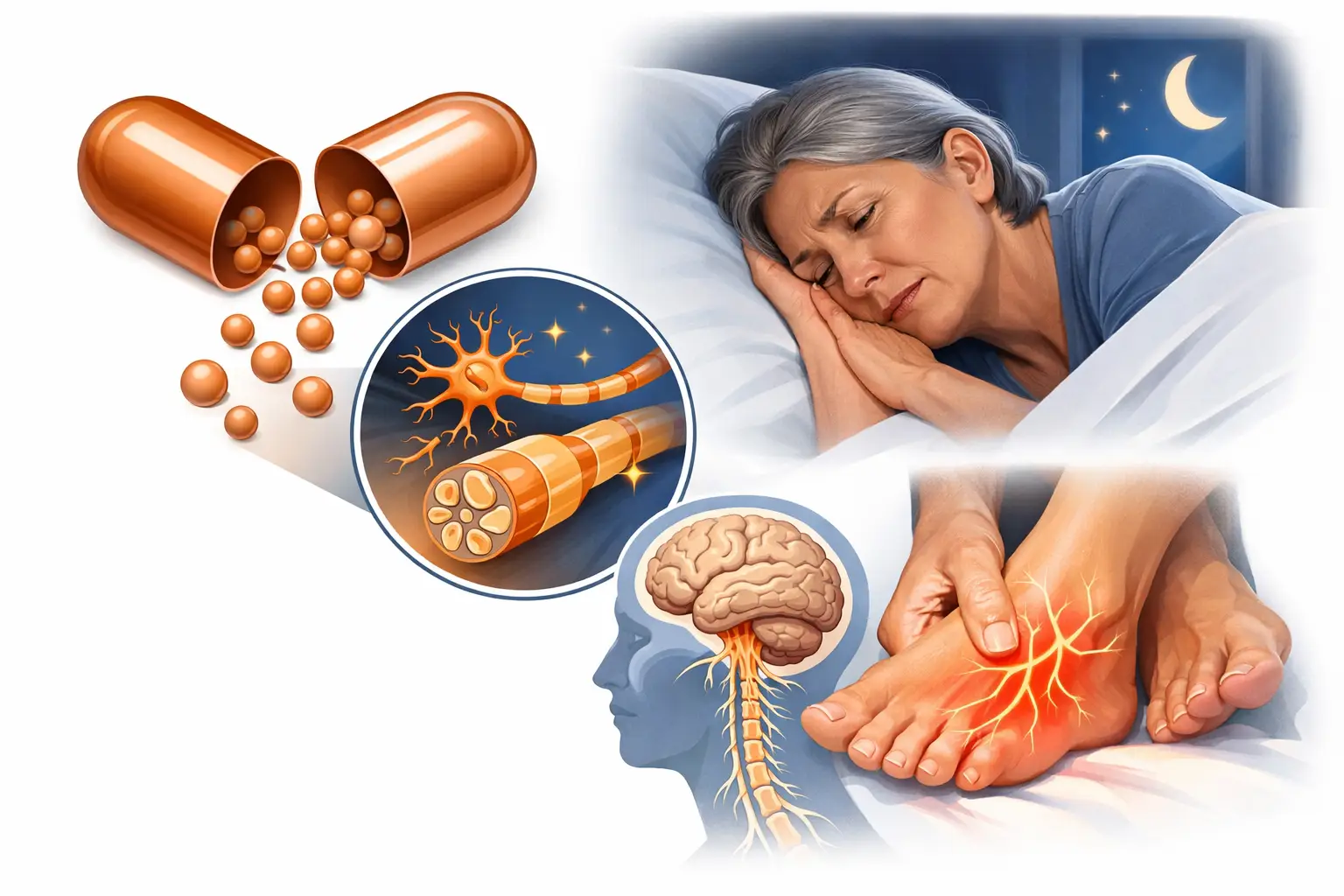
Quick Answer:
Copper deficiency neuropathy is an uncommon but medically recognized cause of nerve damage that can produce symptoms similar to vitamin B12 deficiency. Tingling, numbness, burning feet, balance problems, weakness, and gait instability may occur when copper levels become too low, particularly in people with prior gastric surgery, malabsorption disorders, or excessive zinc intake.
Tingling feet, numb hands, and balance problems are often blamed on diabetes or low vitamin B12. But copper deficiency neuropathy is another medically important cause, and it can look surprisingly similar to B12-related nerve problems. For adults over 45, that overlap matters because the wrong assumption can delay proper testing and the right treatment plan.
Copper is a trace mineral, which means the body needs only a small amount, but that small amount does serious work. It helps with iron metabolism, red blood cell formation, connective tissue health, and normal nervous system function. When copper levels drop too low, the spinal cord and peripheral nerves can be affected. The result may be burning, tingling, weakness, gait instability, or a sense that your feet are not giving accurate feedback when you walk.
This is not one of the most common causes of neuropathy, but it is well documented in the medical literature. It is also one of the more easily missed causes because symptoms can build gradually and because standard conversations around neuropathy tend to focus on blood sugar, circulation, and B vitamins.
What copper deficiency neuropathy feels like
Copper deficiency neuropathy often causes sensory symptoms first. People may notice numbness, pins-and-needles sensations, reduced vibration sense, or an uncomfortable burning feeling in the feet or lower legs. Some also develop weakness, clumsiness, or worsening balance, especially in dim lighting or on uneven ground.
In some cases, the problem is not limited to the peripheral nerves. Copper deficiency can also affect the spinal cord, particularly pathways involved in position sense and coordinated movement. That is one reason some patients describe a broad, unsteady walking pattern, frequent stumbles, or a feeling that their legs are unreliable rather than simply painful.
The symptom pattern can resemble vitamin B12 deficiency so closely that the two are often discussed together in clinical settings. Both can cause numbness, gait changes, and abnormal reflex findings. That does not mean they are interchangeable. It means a careful workup is needed when symptoms do not fit a simple explanation.
According to the NIH Office of Dietary Supplements, vitamin B12 is essential for neurological function and low levels may contribute to numbness, tingling, balance problems, and other nerve-related symptoms that can resemble copper deficiency.
Why copper matters for nerve health
Copper supports enzymes involved in energy production, antioxidant defense, and maintenance of nervous system tissues. When copper is deficient, those systems may not function normally. Over time, that can contribute to nerve injury or dysfunction.
The body also depends on a healthy balance between minerals. Zinc is a key example. Too much zinc can interfere with copper absorption and push levels down over time. This is one of the most practical and overlooked issues for supplement users, especially adults who take multiple products without realizing how ingredients interact.
That does not mean zinc is bad. It means dose, duration, and context matter. A person taking high-dose zinc for months may face a very different risk profile than someone getting modest zinc from a standard multivitamin.
Key Takeaways
- Copper deficiency can cause neuropathy and spinal cord dysfunction.
- Symptoms may closely resemble vitamin B12 deficiency.
- High-dose zinc use is a well-known risk factor for copper deficiency.
- Bariatric surgery and malabsorption disorders can increase risk.
- Early diagnosis improves the chance of neurological recovery.
- Persistent neuropathy symptoms deserve proper testing rather than self-diagnosis.
Common causes doctors look for
Copper deficiency is rarely random. In many cases, there is an underlying reason absorption fell or losses increased. Prior gastric surgery is one of the best-known risk factors. Procedures that alter the stomach or upper small intestine can reduce copper absorption and may lead to deficiency months or even years later.
Other causes include malabsorption disorders, severe undernutrition, prolonged tube feeding without adequate mineral balance, and excessive zinc intake. Denture adhesive products with zinc were once a more widely discussed source, but supplements remain a more common concern for many health-conscious consumers today.
Another practical point is that people sometimes focus heavily on one nutrient while overlooking the bigger picture. A person may self-treat fatigue or tingling with high-dose iron, zinc, or B vitamins and assume more is better. In reality, isolated supplementation can occasionally create imbalances that complicate diagnosis.
Copper deficiency neuropathy vs B12 deficiency
Copper Deficiency vs Vitamin B12 Deficiency
| Feature | Copper Deficiency | Vitamin B12 Deficiency |
|---|---|---|
| Tingling and Numbness | Common | Common |
| Balance Problems | Common | Common |
| High Zinc History | Often Present | Usually Absent |
| Pernicious Anemia | Rare | Common Association |
| Low White Blood Cells | May Occur | Less Typical |
For this audience, the comparison to B12 is especially relevant. Both deficiencies can produce numbness, tingling, poor balance, and difficulty walking. Both may involve abnormal blood counts. Both can occur in people with digestive disorders, older age, or a history of stomach medication use or gastrointestinal surgery.
There are, however, clues that help clinicians sort them out. Copper deficiency may coexist with anemia or low white blood cells. A person may also have a history of high zinc intake, bariatric surgery, or unexplained cytopenias on routine lab work. B12 deficiency may come with elevated methylmalonic acid, macrocytosis, or autoimmune risk factors such as pernicious anemia.
The important takeaway is not to guess. If neuropathy symptoms continue despite B12 supplementation, or if blood work does not fully support a B12 explanation, copper status may deserve attention.
How copper deficiency is diagnosed
Diagnosis usually starts with a clinical history, symptom review, neurological exam, and laboratory testing. Physicians commonly measure serum copper and ceruloplasmin, a copper-carrying protein in the blood. Depending on the case, they may also check zinc, a complete blood count, vitamin B12 markers, folate, iron studies, and other neuropathy-related labs.
No single blood test should be interpreted in isolation. Inflammation, liver function, nutrition status, and the overall clinical picture can affect how meaningful a result is. That is one reason medically cautious interpretation matters more than a one-line internet answer.
If balance problems, weakness, or sensory loss are significant, some patients may also undergo nerve conduction studies, electromyography, or spinal imaging. Those tests do not diagnose copper deficiency by themselves, but they can help define the pattern and rule out other neurologic conditions.
Can the nerve damage improve?
Improvement is possible, but expectations should be realistic. In many published cases, copper repletion helps stop progression and can lead to partial recovery. Symptoms such as fatigue, blood count abnormalities, or mild sensory changes may improve more noticeably than long-standing gait impairment or advanced neurologic deficits.
This is where timing matters. The longer the nervous system has been under strain, the less predictable full recovery becomes. Some people improve substantially. Others stabilize but continue to have residual numbness, weakness, or balance difficulty.
That does not make treatment less important. Preventing further deterioration is meaningful, especially for older adults at higher risk of falls, mobility loss, and reduced independence.
⚠ Important
Long-standing copper deficiency can sometimes cause neurological damage that may not fully reverse. Progressive balance problems, worsening numbness, repeated falls, or increasing weakness deserve prompt medical evaluation rather than continued self-treatment.
What treatment usually involves
Treatment should be guided by a qualified clinician because the right approach depends on severity and cause. Some patients are managed with oral copper, while others with more severe deficiency or absorption problems may require a different strategy, including supervised replacement.
Equally important is addressing what caused the deficiency in the first place. If excess zinc is part of the problem, that exposure usually needs to be corrected. If the person has a malabsorption issue or a history of bariatric surgery, long-term monitoring may be needed rather than a one-time fix.
This is also the point where supplement quality and formulation become relevant. Consumers shopping for nerve-health or immune-support products often see zinc included across multiple formulas. The issue is not that zinc-containing products are automatically harmful. The issue is cumulative intake. Reading labels across all supplements, not just one bottle, is a practical habit that can prevent problems.
When to bring this up with your doctor
Copper deficiency is worth discussing if you have persistent neuropathy symptoms along with unexplained anemia, low white blood cells, prior stomach or intestinal surgery, digestive disease, or regular use of high-dose zinc. It may also be reasonable to ask about it if you have symptoms that look like B12 deficiency but have not improved as expected.
That conversation is especially important if walking has become less steady, if you feel reduced sensation in your feet, or if symptoms are spreading upward. Those patterns deserve medical evaluation rather than self-treatment alone.
For readers who use dietary supplements regularly, this topic is a good reminder that more supplementation is not always better supplementation. A well-designed regimen should make physiological sense, fit your medical history, and avoid creating imbalances while trying to solve another problem.
At vitb12supplement.com, our general editorial view is that nerve-related symptoms deserve careful evaluation before any product decision is made. Burning, tingling, and numbness can have several causes, and copper deficiency is one of the less obvious ones that should not be missed. If your symptoms have been brushed off or assumed to be only age-related, asking whether copper status has been considered is a reasonable next step.
Frequently Asked Questions
Can copper deficiency cause neuropathy?
Yes. Copper deficiency can contribute to nerve damage, numbness, tingling, burning feet, weakness, and balance problems.
What causes copper deficiency?
Common causes include bariatric surgery, malabsorption disorders, undernutrition, and excessive zinc intake.
Can copper deficiency look like vitamin B12 deficiency?
Yes. The two conditions can produce remarkably similar neurological symptoms, including numbness, tingling, gait problems, and sensory loss.
Can nerve damage from copper deficiency improve?
Improvement is possible, particularly when deficiency is identified and treated early. Long-standing neurological damage may not fully reverse.
Should I take copper supplements on my own?
Copper supplementation should be discussed with a healthcare professional because excessive copper intake can also create health problems.
Medical Disclaimer: The information provided in this article is for educational purposes only and is not intended as medical advice. Dietary supplements are not a replacement for professional medical diagnosis or treatment. Always consult with a qualified healthcare professional before starting any new supplement, especially if you have pre-existing medical conditions or are taking prescription medications. Individual results may vary.

- Can Low B12 Cause Dizziness? - July 9, 2026
- B12 Deficiency and Cracked Corners of the Mouth - July 9, 2026
- Can Low B12 Cause Dry Mouth? - July 8, 2026