Quick Answer
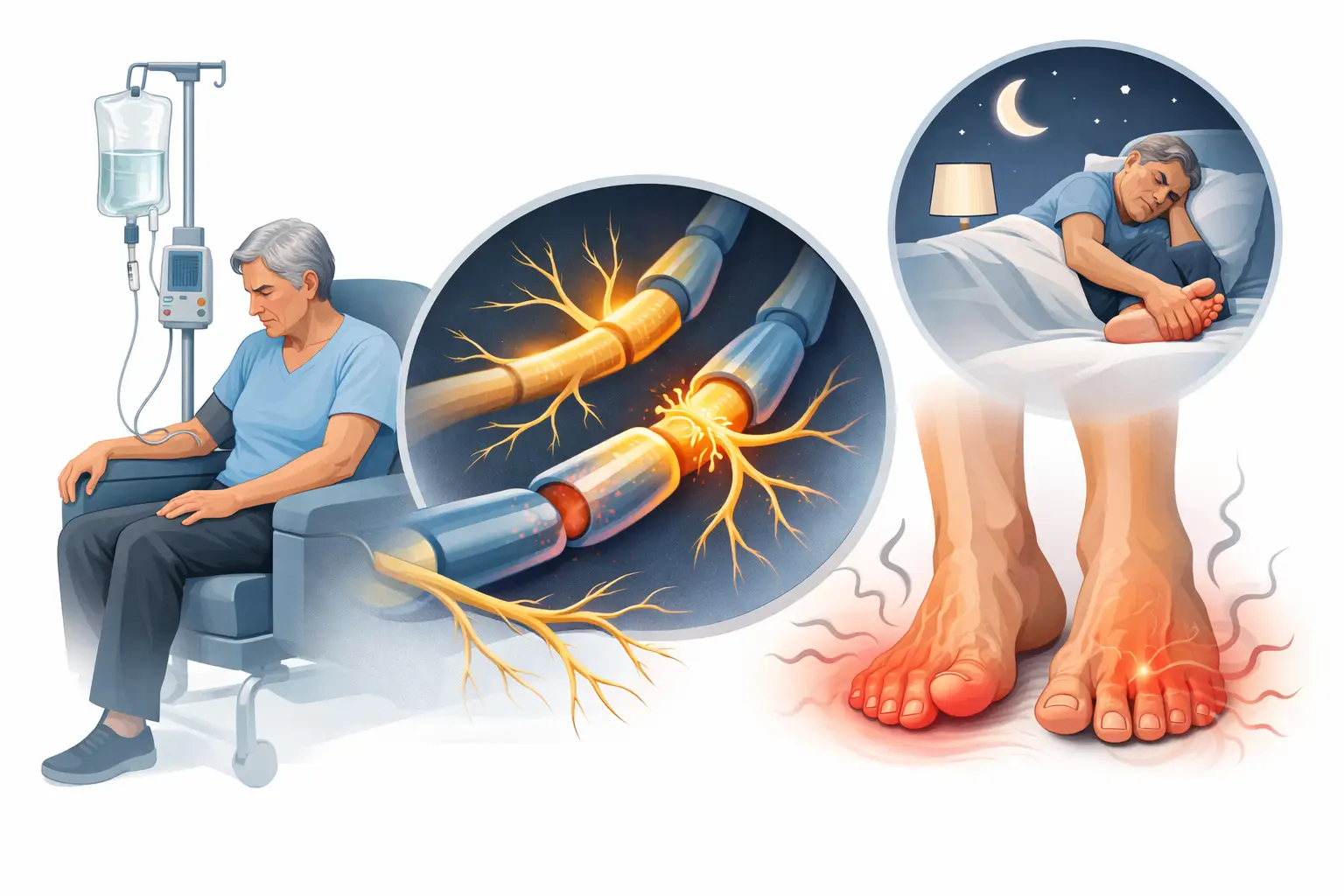
Chemotherapy-induced peripheral neuropathy (CIPN) is nerve damage caused by certain chemotherapy drugs. Symptoms may include tingling, numbness, burning pain, weakness, balance problems, and sensitivity to cold, especially in the hands and feet.
Some people expect nausea or fatigue during cancer treatment. Fewer expect their socks to suddenly feel strange, their fingertips to go numb, or a mild tingling to turn buttoning a shirt into a frustrating task. Chemotherapy-induced peripheral neuropathy (CIPN): what patients should know starts with one practical fact – these symptoms are common enough to deserve early attention, not quiet endurance.
CIPN refers to nerve damage linked to certain chemotherapy drugs. It often affects the hands, feet, or both, because the longest nerves in the body are usually the most vulnerable. For some patients, symptoms stay mild and fade after treatment. For others, they become painful, persistent, or disruptive enough to affect sleep, walking, balance, and daily independence.
Key Takeaways
- CIPN is a common side effect of several chemotherapy drugs.
- Symptoms often begin in the feet and hands in a glove-and-stocking pattern.
- Early reporting may help reduce long-term nerve damage risk.
- Symptoms can include tingling, numbness, burning pain, weakness, and balance problems.
- Vitamin B12 deficiency and other conditions may worsen neuropathy symptoms.
- Recovery varies, and some patients continue to experience symptoms after treatment ends.
What chemotherapy-induced peripheral neuropathy means
Peripheral nerves carry signals between the brain, spinal cord, and the rest of the body. When chemotherapy injures these nerves, communication becomes less reliable. That can lead to numbness, pins-and-needles sensations, burning pain, unusual sensitivity to touch, weakness, or trouble sensing where the feet are on the floor.
This is not one-size-fits-all. Some people mostly notice sensory changes, such as tingling or reduced feeling. Others develop pain or muscle weakness. Symptoms often begin gradually, but they can also become noticeable between treatment cycles or shortly after therapy ends.
Several chemotherapy agents are more strongly associated with CIPN, including taxanes, platinum-based drugs, vinca alkaloids, bortezomib, and thalidomide-related treatments. The exact risk depends on the drug, dose, treatment length, and the patient’s underlying health.
CIPN symptoms patients should not ignore
| Common CIPN Symptom | How Patients Often Describe It |
|---|---|
| Tingling | Pins and needles sensation in the hands or feet |
| Numbness | Reduced ability to feel touch or pressure |
| Burning pain | Hot, stinging, or electric-shock sensations |
| Cold sensitivity | Pain or discomfort when touching cold objects |
| Weakness | Trouble gripping objects or walking steadily |
| Balance issues | Feeling unstable or unsteady while walking |
Early symptoms may sound minor at first. A little tingling in the toes. A harder time picking up coins. Increased discomfort when touching cold items. These changes matter because early reporting may help the oncology team adjust treatment decisions before symptoms become more severe.
Common symptoms include numbness in the feet or hands, tingling, burning sensations, electric-shock-like pain, cramping, sensitivity to cold, balance problems, reduced grip strength, and trouble with fine motor tasks. Some people say their feet feel padded, wooden, or asleep. Others describe pain from light touch that normally would not bother them.
A key pattern is symmetry. CIPN often affects both sides in a glove-and-stocking distribution, meaning the toes and feet are involved first, then possibly the fingers and hands. If symptoms are clearly one-sided or come with other neurological warning signs, doctors may need to look for additional causes.
Why some patients are at higher risk
Not every patient receiving neurotoxic chemotherapy develops meaningful neuropathy. Risk rises with cumulative dose, but that is only part of the story. Age, diabetes, alcohol-related nerve injury, vitamin deficiencies, kidney problems, and pre-existing neuropathy may increase vulnerability.
This is where confusion can set in for patients already researching burning feet, numbness, circulation concerns, or vitamin B12. Symptoms can overlap. A person may have more than one contributing factor at the same time. Chemotherapy can be the main driver, but low B12, diabetes, thyroid disease, spinal issues, or certain medications may worsen the picture.
That overlap matters because the right response depends on the cause. Assuming every tingling sensation is “just chemo” can delay useful evaluation.
When chemotherapy-induced peripheral neuropathy starts and how long it lasts
CIPN can begin during treatment, build gradually over repeated cycles, or become more obvious after chemotherapy stops. Some drugs are known for a “coasting” effect, where symptoms continue to worsen for a time even after treatment has ended.
Recovery is variable. Some patients improve over months. Others have lingering symptoms for years. The severity at onset, the chemotherapy used, and whether treatment was modified early can all influence long-term outcome. Unfortunately, there is no guarantee that neuropathy will fully resolve.
That uncertainty is one reason clinicians encourage prompt reporting. Waiting until symptoms are severe may reduce the opportunity to limit further nerve injury.
Important
Chemotherapy-induced peripheral neuropathy may continue or temporarily worsen even after chemotherapy ends. This is sometimes called the “coasting” effect.
How doctors evaluate CIPN
Diagnosis often begins with a careful symptom history. Patients may be asked when symptoms started, whether they interfere with walking or sleep, whether cold exposure triggers pain, and whether weakness is present. A physical exam may check reflexes, vibration sense, balance, muscle strength, and coordination.
Sometimes the picture is straightforward. Other times, blood work may be used to look for common contributors such as diabetes, vitamin B12 deficiency, thyroid problems, or other metabolic issues. Nerve conduction studies are not required in every case, but they may help when the diagnosis is unclear or when symptoms seem atypical.
For adults 45 and older, especially those already managing multiple health conditions, this broader review is useful. Neuropathy rarely exists in a vacuum.
What helps and what does not
Patients often want a clear treatment roadmap. The reality is more mixed. The strongest first step is communication with the oncology team, because managing CIPN may involve chemotherapy dose adjustments, schedule changes, or a switch in treatment when medically appropriate. That decision depends on cancer-related priorities as well as symptom burden, so it is always individualized.
For established painful CIPN, duloxetine has some evidence for symptom relief and is one of the better-supported prescription options. It does not work for everyone, and it is not a cure, but it may reduce pain for some patients. Other medications are sometimes tried, though evidence is less consistent.
Physical therapy and occupational therapy can also make a meaningful difference. This is especially true for balance issues, gait changes, hand weakness, and fall prevention. Simple adaptations such as supportive footwear, night lighting, handrails, and tools that improve grip can reduce day-to-day frustration.
What about supplements? Patients understandably ask about B vitamins, alpha-lipoic acid, acetyl-L-carnitine, magnesium, and other nerve-health products. Evidence here is uneven. A supplement may make sense when a true deficiency exists, such as low vitamin B12, but that is different from assuming any supplement will improve chemotherapy-related nerve damage. Some interventions have limited evidence, and a few have raised concerns in certain settings. That is why evidence-informed sites such as emphasize checking the ingredient, the reason for use, and the clinical context rather than treating supplements as automatic solutions.
According to the National Cancer Institute, peripheral neuropathy is a recognized side effect of several chemotherapy drugs and may continue even after treatment has ended.
The practical takeaway is simple: test and discuss before buying. If a patient is deficient, correcting that deficiency may support overall nerve function. If not, expectations should stay modest.
Daily coping strategies that matter
Small adjustments can make symptoms more manageable. Patients with numb feet should pay attention to fall risk, especially on stairs, in dim rooms, or on uneven ground. Those with reduced hand sensation may need extra caution around hot pans, heating pads, or sharp objects.
Cold sensitivity deserves mention because some chemotherapy drugs make cold exposure distinctly painful. Gloves for the freezer, avoiding icy drinks if they trigger symptoms, and protecting the hands outdoors can help. Foot checks are also wise, particularly for patients with diabetes or reduced sensation, because minor injuries may go unnoticed.
Keeping a symptom log can help patients describe patterns clearly at appointments. Note when symptoms happen, whether they are getting worse, what tasks are harder, and whether pain affects sleep. Specific examples are more useful than saying, “It comes and goes.”
Questions patients should ask their care team
The most useful questions are practical. Is this likely CIPN, or should other causes be checked? Could my chemotherapy plan be contributing? At what point would symptoms justify treatment changes? Would physical therapy help? Should I be tested for B12 deficiency, diabetes, or other conditions that can worsen neuropathy? Is any supplement safe or worth considering in my case?
These questions do two things at once. They help clarify risk, and they keep patients from drifting into trial-and-error spending on products with unclear benefit.
When symptoms need urgent attention
Most CIPN develops gradually, but not every numbness or weakness problem during cancer treatment is routine. Severe weakness, rapidly worsening symptoms, falls, loss of bladder or bowel control, one-sided neurological changes, or sudden inability to walk should be reported promptly. Those features may point to something more serious than typical chemotherapy-related neuropathy.
The hardest part of CIPN is that it can sound mild on paper while feeling deeply disruptive in real life. If your feet feel less reliable, your hands feel less precise, or pain is starting to shape your day, that is enough reason to bring it up. Good care starts earlier than many patients think.
Frequently Asked Questions
What is chemotherapy-induced peripheral neuropathy?
CIPN is nerve damage caused by certain chemotherapy drugs, often affecting the hands and feet.
What does CIPN feel like?
Symptoms may include tingling, numbness, burning pain, electric-shock sensations, weakness, balance problems, and sensitivity to cold.
Can chemotherapy neuropathy go away?
Some patients improve gradually over time, while others continue to experience long-term symptoms after treatment ends.
Can vitamin B12 deficiency worsen neuropathy symptoms?
Vitamin B12 deficiency can contribute to nerve-related symptoms and may overlap with chemotherapy-related neuropathy in some patients.
When should CIPN symptoms be reported to a doctor?
Patients should report worsening numbness, burning pain, weakness, falls, balance problems, or difficulty performing daily tasks.
Medical Disclaimer: The information provided in this article is for educational purposes only and is not intended as medical advice. Dietary supplements are not a replacement for professional medical diagnosis or treatment. Always consult with a qualified healthcare professional before starting any new supplement, especially if you have pre-existing medical conditions or are taking prescription medications. Individual results may vary.

- Can Low B12 Cause Dizziness? - July 9, 2026
- B12 Deficiency and Cracked Corners of the Mouth - July 9, 2026
- Can Low B12 Cause Dry Mouth? - July 8, 2026